




Introduction to Modern Technology
Technology has always been a key driver of human progress, guiding us from the invention of the wheel to the development of artificial intelligence. In today’s world, technology is not just a tool but a foundational element of how we live, communicate, work, learn and interact. The rapid advancements seen in the last few decades have reshaped industries, economies and everyday lifestyles. From smartphones and cloud computing to robotics and virtual reality, the scope of technology touches every corner of human life. This blog takes a deep dive into different aspects of modern technology, exploring its rise, current trends, impact and future potential.
The Digital Revolution and Its Origins
The digital revolution began with the creation of computers. Early computers were bulky machines that required entire rooms to operate and were accessible only to large institutions and governments. Over time, innovations such as microprocessors and integrated circuits transformed these massive systems into personal computers. This marked the beginning of a new era where technology moved from laboratories into homes.
With the invention of the internet, the world became interconnected like never before. Communication that once took days or weeks could occur in seconds through emails or instant messages. Information became accessible to all, and it sparked unprecedented innovation.
The Rise of Smartphones and Mobile Technology
Perhaps one of the most transformative technologies of the 21st century is the smartphone. These devices combine the functions of a phone, computer, camera, navigation system and entertainment center into one compact gadget. Smartphones made it possible to access information, work remotely, communicate globally and capture memories anytime and anywhere.
Mobile applications became a cultural and economic phenomenon. These small software programs made everything more convenient from ordering food and booking transportation to managing finances and learning new skills. As mobile internet speeds improved with 3G, 4G and now 5G connectivity, the capabilities of smartphones expanded drastically.
Cloud Computing and the Power of Connectivity
Cloud computing changed the way data is stored and accessed. Instead of relying solely on physical devices, individuals and businesses can now store information in digital data centers and retrieve it from any device connected to the internet. This innovation enhanced data security, workflow efficiency and collaboration across geographical boundaries.
Companies use cloud platforms to run applications, analyze data and host websites. It enables startups to launch projects without expensive hardware and helps organizations scale their services quickly according to user demand. Cloud technology has also paved the way for artificial intelligence, big data analysis and remote work culture.
Artificial Intelligence and Machine Learning
Artificial intelligence is one of the most powerful forces shaping the future of technology. AI refers to the ability of machines to perform tasks that typically require human intelligence such as problem-solving, learning, understanding languages and recognizing patterns. Machine learning, a subset of AI, allows computer systems to learn from data and improve their accuracy without being explicitly programmed for every task.
AI is used in virtual assistants, facial recognition, fraud detection, personalized recommendations, autonomous vehicles and medical diagnosis systems. The more data AI systems process, the more efficient they become. This ability to constantly learn gives AI an incredible advantage, but it also brings challenges involving ethics, transparency and privacy.
Big Data and Its Importance
In the digital era, data is considered as valuable as physical resources. Every click, search query, purchase and social media post contributes to the growing pool of global data. Big data refers to this large volume of structured and unstructured data that can be analyzed to reveal patterns, trends and associations.
Businesses use big data to understand customer behavior, improve products and create marketing strategies. Governments use it to plan infrastructure and health systems, while researchers use it for scientific discoveries. But managing such vast amounts of data requires powerful tools and protection against misuse.
Cybersecurity and Digital Safety
As reliance on technology increases, so does the risk of cyber threats. Cybersecurity is the practice of protecting systems, networks and data from digital attacks. Cybercriminals use malicious software, phishing scams and hacking techniques to steal information, disrupt services or demand ransom.
To protect data, organizations use encryption, firewalls, multi-factor authentication and continuous monitoring. Employees are trained to recognize suspicious activity and follow security protocols. As cyber threats evolve, cybersecurity systems need constant updates and innovation to keep digital environments safe.
Robotics and Automation
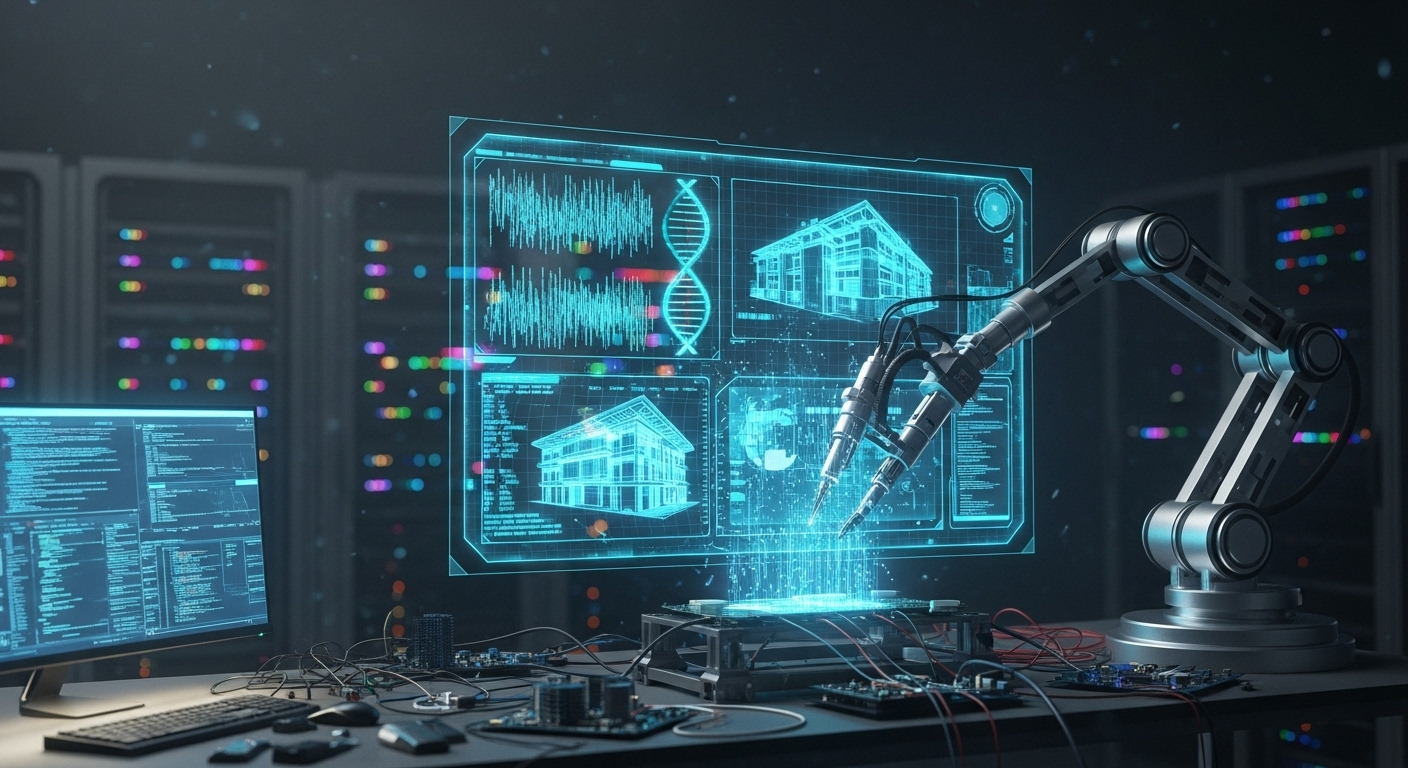
Robotics is a field that combines engineering, computer science and artificial intelligence to design machines that can perform tasks autonomously or with minimal human intervention. Robots are used in manufacturing, healthcare, agriculture, space exploration and home cleaning.
In industries, robotic arms assemble cars and electronic devices with precision and speed. In healthcare, robotic surgical systems allow doctors to perform complex surgeries with greater accuracy. Agriculture uses drones and automated tractors for planting, monitoring crops and harvesting. These developments improve efficiency and reduce human labor in repetitive and hazardous tasks.
The Expansion of the Internet of Things
The Internet of Things refers to the network of physical objects embedded with sensors, software and other technologies that connect and exchange data over the internet. It includes household appliances such as smart thermostats, lighting systems, refrigerators and wearable devices like fitness trackers.
IoT devices collect data to become smarter over time. For example, a smart thermostat can learn a user’s daily schedule and automatically adjust temperatures for optimal comfort and energy savings. In cities, IoT helps manage traffic signals, waste management and public transportation.
Blockchain and Digital Transactions
Blockchain is a technology that records transactions in a decentralized and secure ledger. Instead of data being stored in one place, blockchain distributes it across a network of computers. Each transaction is grouped into a block and linked to the previous one, creating a chain. This makes the data transparent and nearly impossible to alter.
Blockchain is widely known for powering digital currencies, but its uses go beyond finance. It can be used in supply chain management, voting systems, healthcare and real estate to ensure transparency and authenticity. Smart contracts, which execute automatically when conditions are met, are also built using blockchain.
Virtual Reality and Augmented Reality
Virtual reality creates a simulated environment where users can interact using headsets and motion controllers. It is popular in gaming, training simulations, education and entertainment. Users feel as if they are inside a digital world, whether it is exploring space, diving underwater or walking through historical sites.
Augmented reality overlays digital elements onto the real world. Instead of replacing the environment, it enhances it. Applications of AR can be seen in navigation apps that show directions on the road, smartphone filters that alter facial appearances and interactive education tools. Both technologies have the potential to transform industries such as architecture, medicine and tourism.
Wearable Technology and Health Monitoring
Wearable devices such as smartwatches and fitness bands monitor heart rate, steps, sleep patterns and overall physical activity. These devices promote healthier lifestyles by encouraging users to achieve daily goals, reminding them to move and providing insights about their health.
In healthcare, wearables can monitor chronic illnesses, alert medical professionals in emergencies and store health records. Advanced wearables are being developed to measure blood pressure, blood sugar levels and detect irregular heartbeats. They empower individuals to take control of their health.
Smart Homes and Digital Living
Smart homes use technology to automate and control lighting, security systems, entertainment and household appliances. Voice-controlled assistants can turn off lights, adjust thermostats and play music. Smart locks and cameras allow homeowners to monitor their property remotely.
These technologies contribute to convenience, energy efficiency and security. They learn user behavior and adapt settings accordingly. However, smart homes also require strong cybersecurity measures to protect personal data and prevent unauthorized access.
Electric Vehicles and Clean Energy Technology
The automotive industry is embracing electric vehicles as a sustainable alternative to traditional fuel-powered cars. Electric vehicles use rechargeable batteries and generate zero emissions during use. Charging infrastructure and battery technology are improving rapidly, allowing longer driving ranges and shorter charging times.
Clean energy technology also includes solar panels, wind turbines and hydroelectric power systems. These renewable energy sources reduce reliance on fossil fuels and help combat climate change. Innovations in energy storage systems make renewable energy more reliable and efficient.
Space Technology and Exploration
Space technology has advanced significantly with reusable rockets, satellite systems and planetary exploration vehicles. Satellites orbiting Earth provide communication, weather forecasting, navigation and scientific data. Space agencies are planning missions to the Moon, Mars and beyond.
Private companies are also contributing to space exploration, aiming to make space travel more affordable and accessible. Space technology not only expands human horizons but also contributes to advancements in materials, medicine and energy systems on Earth.
The Future of Work and Remote Technologies
Technology has reshaped the modern workplace. Remote work has become widely accepted due to advancements in communication tools such as video conferencing, messaging platforms and collaborative software. Employees can work from anywhere and maintain productivity.
Automation and artificial intelligence are transforming job roles. Routine tasks can be performed by machines, allowing humans to focus on creativity, decision-making and problem-solving. While some fear job loss due to automation, new roles are emerging in technology development, data analysis and digital strategy. Education systems are evolving to prepare individuals for these changes.
Education and E-Learning Revolution
Technology has revolutionized education by making learning accessible beyond traditional classrooms. E-learning platforms offer courses on almost every subject, allowing individuals to learn at their own pace. Interactive tools, videos and digital quizzes make learning engaging.
Virtual classrooms enable students to attend lectures from anywhere. Teachers can use smart boards, digital textbooks and simulation tools to enhance teaching. Education technology promotes lifelong learning and bridges geographical and economic gaps.
Healthcare Innovation and Telemedicine
Technology has greatly improved healthcare through advanced medical equipment, digital health records and telemedicine. Telemedicine allows doctors to consult patients remotely, reducing travel and wait times. Patients in remote areas can receive medical advice and prescriptions through virtual visits.
Medical imaging, robotic surgeries, 3D printing of organs and personalized medicine are some innovations that are saving lives. Artificial intelligence is used to detect diseases early by analyzing medical scans and patient data.
Ethical Concerns and Digital Responsibility
As technology becomes more powerful, ethical questions arise. Issues such as data privacy, surveillance, algorithmic bias and digital addiction require careful consideration. Tech companies must ensure they use data responsibly, protect user privacy and avoid discriminatory outcomes in AI systems.
Users also play a role in digital responsibility by using technology mindfully, being aware of cyber threats and respecting others online. Governments are creating regulations to protect digital rights and ensure technology is used for the benefit of society.
Environmental Impact of Technology
Technology contributes to environmental sustainability but also poses challenges. Electronic waste is a major concern as old devices are discarded. Recycling and responsible manufacturing are important to reduce waste. Clean energy technologies, smart grids and energy-efficient systems help reduce carbon emissions.
Scientists and engineers are developing eco-friendly materials, biodegradable electronics and better waste management systems. Awareness and global cooperation are needed to balance technological growth with environmental preservation.
Social Media and Digital Communication
Social media platforms have transformed how people connect, share information and build communities. They allow instant communication across the globe, making the world more connected. People can express opinions, showcase talents and support causes.
However, social media also has downsides such as misinformation, cyberbullying and decreased face-to-face interaction. Using social media responsibly involves verifying information, being respectful and maintaining a healthy balance between online and offline life.
Gaming and Entertainment Technology
The gaming industry has become a major influence in technology development. High-quality graphics, powerful consoles, online multiplayer platforms and immersive experiences have made gaming more popular than ever. Cloud gaming allows users to play high-end games without needing expensive hardware by streaming gameplay over the internet.
Entertainment technology also includes digital music, streaming movies, virtual concerts and interactive storytelling. Content is accessible anytime and anywhere, offering personalized experiences for each user.
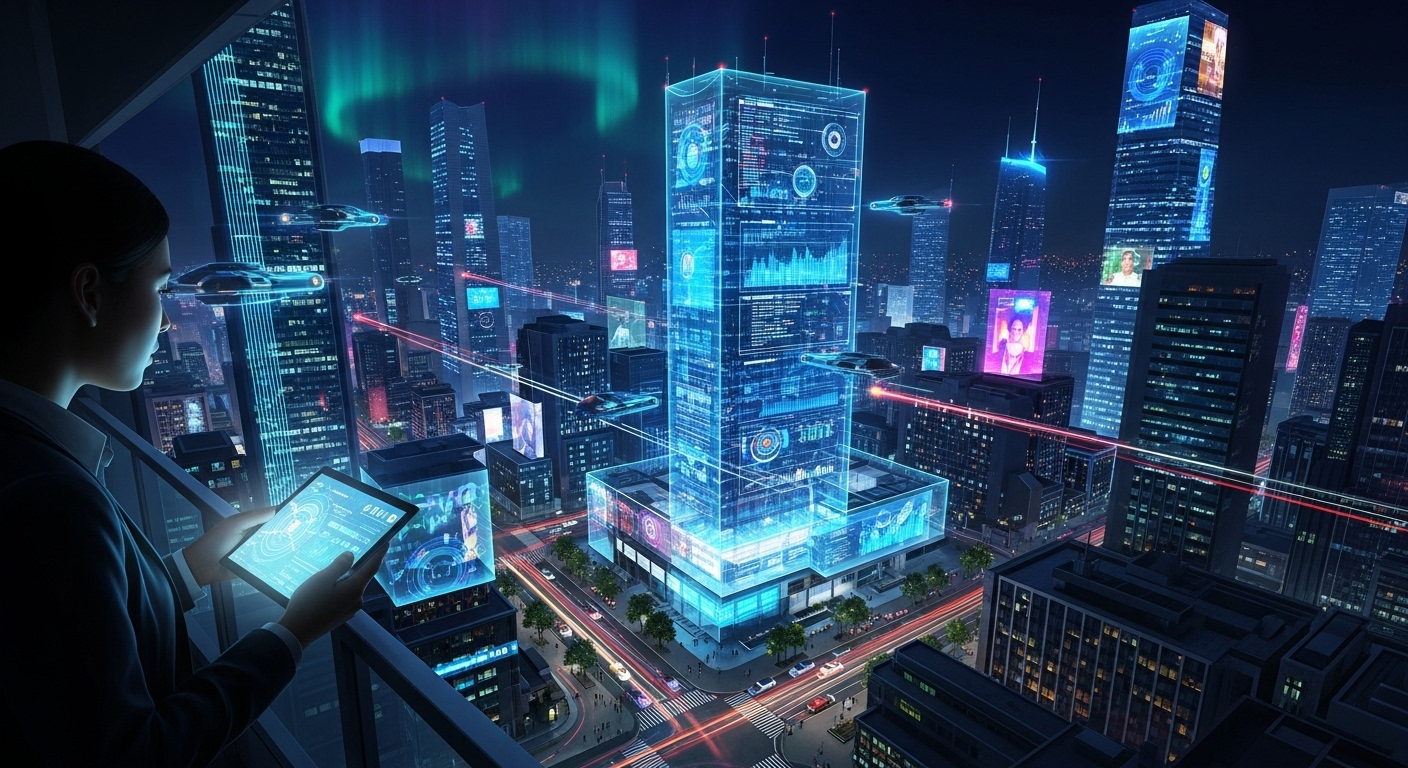
Smart Cities and Urban Innovation
Smart cities use technology to improve infrastructure, transportation, energy management and public services. Sensors and data analytics help monitor traffic, reduce congestion and improve safety. Smart lighting systems and waste management reduce costs and environmental impact.
Urban planning now incorporates sustainability, connectivity and inclusiveness. Technology enables more efficient resource use and improves quality of life for residents. Collaboration between governments, businesses and citizens is essential to build successful smart cities.
The Future of Technology
The future of technology promises even greater innovation. Advancements in quantum computing could solve complex problems beyond the capability of classical computers. Artificial general intelligence may emerge, enabling machines to perform a wide range of tasks like humans.
Biotechnology and genetic engineering will revolutionize healthcare and agriculture. Robots and drones will become more autonomous and widely used. Space tourism may become a reality, and humans might establish colonies on other planets.
While the future holds excitement, it also comes with responsibility. Ensuring technology is safe, ethical and inclusive is crucial to creating a better world.
Conclusion
Technology is the engine of modern civilization. It connects people, solves problems and creates opportunities. From smartphones to space exploration, technology continues to evolve and influence every aspect of life. As we move forward, embracing innovation while remaining responsible and ethical will shape a future that benefits all of humanity. The journey of technology is far from over and its next chapters will be written with creativity, collaboration and curiosity.