





Technology is progressing at a staggering pace, and every year brings new innovations that have the potential to change our lives in profound ways. From breakthroughs in AI and 5G connectivity to the rise of quantum computing, the future looks increasingly exciting. But how will these technologies actually shape the world we live in? In this blog post, we’ll dive into the most exciting tech trends and discuss the impact they will have on industries, society, and our daily lives in the coming years.
The Age of Artificial Intelligence: Beyond Automation
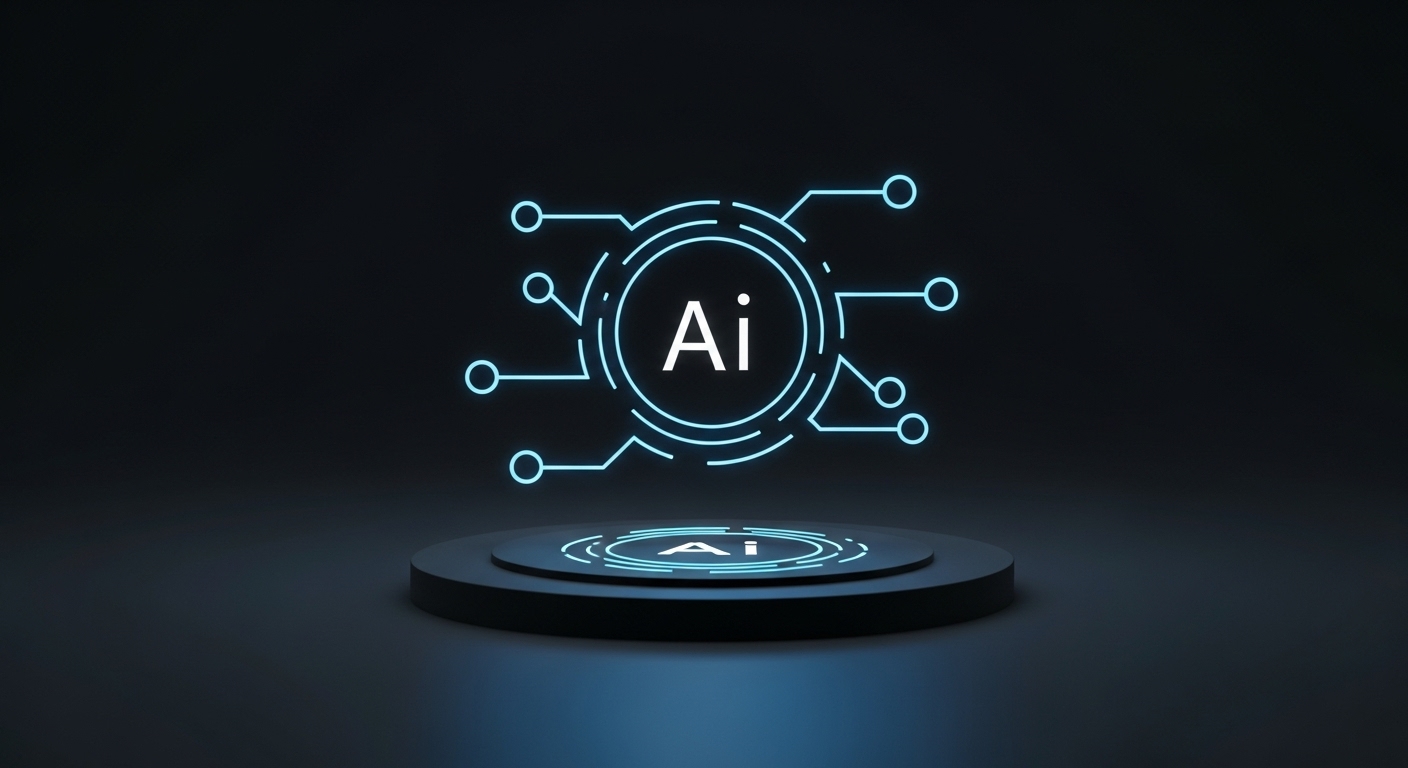
Artificial Intelligence (AI) is no longer just a concept of the future; it’s already here, and its impact is being felt across all sectors. AI’s ability to learn, adapt, and make decisions based on vast amounts of data has revolutionized industries like healthcare, finance, retail, and even creative fields.
In healthcare, AI is being used to analyze medical images and predict patient outcomes with unprecedented accuracy. For example, AI-powered tools can detect signs of diseases like cancer earlier than traditional methods, offering a better chance for successful treatment. In finance, AI is transforming risk assessment and fraud detection, allowing banks and insurance companies to make smarter decisions in real-time.
One of the most transformative aspects of AI is its potential to enhance human capabilities rather than replace them. In the workplace, AI is automating routine tasks, enabling employees to focus on more creative and strategic roles. As AI continues to evolve, its applications will only grow, helping us solve complex problems in ways we can’t yet imagine.
5G Technology: The Next-Level Connectivity
The roll-out of 5G technology promises to usher in a new era of connectivity. With speeds up to 100 times faster than 4G, 5G will open up new possibilities for everything from autonomous vehicles to smart cities.
In transportation, 5G’s ultra-low latency will allow self-driving cars to communicate with one another and with infrastructure in real time, creating safer roads and more efficient traffic systems. In healthcare, 5G will enable the delivery of remote surgeries, with doctors performing operations thousands of miles away using robotic tools controlled by real-time data.
5G’s role in the Internet of Things (IoT) cannot be overstated. With its ability to support massive numbers of connected devices, 5G will enable smart homes, factories, and cities to become more efficient and responsive to our needs. The widespread adoption of 5G will lay the foundation for an interconnected world where everything from refrigerators to traffic lights can communicate and coordinate seamlessly.
Blockchain: Reinventing Trust and Security
While blockchain technology is most commonly associated with cryptocurrencies like Bitcoin, its applications extend far beyond digital currencies. Blockchain is a decentralized, secure ledger system that can store data in a transparent and tamper-proof way, making it ideal for applications requiring trust and security.
One of the most promising uses of blockchain is in supply chain management. By tracking the movement of goods from manufacturer to consumer, blockchain ensures that products are authentic and free from tampering. This level of transparency is invaluable in industries like food safety, where knowing the exact origin of products can prevent outbreaks of contamination.
Blockchain is also transforming the way we think about privacy and data ownership. In sectors like healthcare, it allows for the secure sharing of patient records, giving patients more control over their personal information. As the technology matures, blockchain will continue to disrupt industries ranging from voting systems to intellectual property management, providing a new paradigm for data security and privacy.
Quantum Computing: Unlocking New Frontiers
Quantum computing is one of the most exciting fields in modern technology. Unlike traditional computers that use bits to represent data as 0s or 1s, quantum computers use quantum bits, or qubits, which can exist in multiple states at once. This property enables quantum computers to perform complex calculations at speeds that would be impossible for classical computers.
In the realm of scientific research, quantum computers could revolutionize fields like materials science, climate modeling, and drug discovery. By simulating molecules at a level of detail that classical computers cannot achieve, quantum computing could accelerate the development of new materials, energy sources, and even medical treatments.
Quantum computing also holds promise for solving problems in cryptography. Current encryption methods could be easily broken by quantum computers, forcing researchers to develop new, quantum-resistant security protocols. Although practical quantum computers are still a few years away, their potential to solve some of the world’s most pressing problems is enormous.
Virtual Reality and Augmented Reality: The Future of Immersive Experiences
Virtual Reality (VR) and Augmented Reality (AR) are technologies that are changing how we interact with the digital world. VR immerses users in fully virtual environments, while AR overlays digital content onto the physical world, offering interactive experiences that blend the two.
In gaming, VR offers a level of immersion that traditional consoles and PCs simply cannot match. Players can explore entire worlds, interact with characters, and solve puzzles in a way that feels incredibly real. In contrast, AR enhances the real world by adding useful information, such as navigation instructions, product details, or even virtual try-ons for clothing and makeup.
Beyond entertainment, VR and AR are making strides in fields like education, healthcare, and retail. In education, VR is being used to create immersive learning experiences, allowing students to explore historical events or engage in virtual science experiments. In healthcare, VR is helping patients manage pain or recover from trauma by providing therapeutic experiences. Meanwhile, AR is transforming retail by allowing customers to virtually “try before they buy,” making shopping more personalized and engaging.
Sustainability and Green Tech: Innovating for a Better Planet
As the world grapples with the effects of climate change, sustainable technology has become more important than ever. Green innovations are helping reduce carbon footprints, minimize waste, and create renewable energy solutions that can power the future.
Solar energy and wind power have become increasingly efficient and affordable, allowing both individuals and businesses to harness the power of nature. Electric vehicles (EVs) are becoming mainstream, reducing the need for fossil fuels and cutting down on harmful emissions. In agriculture, smart technologies are being used to optimize water usage and reduce pesticide reliance, creating more sustainable farming practices.
The rise of sustainable technology is not just about reducing harm to the environment but also about creating opportunities for green jobs and industries. The transition to a greener economy will require new skills and innovations, driving job creation and economic growth while preserving the planet for future generations.
Conclusion: Embracing the Future
The technological advancements we’re witnessing today are setting the stage for a future that is smarter, more efficient, and more connected. From AI and 5G to quantum computing and blockchain, these innovations will not only transform industries but also improve the quality of our lives.
However, with these advancements come challenges, including ethical concerns, data privacy issues, and the potential for job displacement. It is essential that we approach these technologies with a sense of responsibility, ensuring that they are used for the greater good and benefit all of society.
As we embrace the possibilities of the future, one thing is clear: technology will continue to play a pivotal role in shaping the world of tomorrow. By staying informed and adapting to these changes, we can ensure a brighter, more sustainable future for everyone.