




Introduction
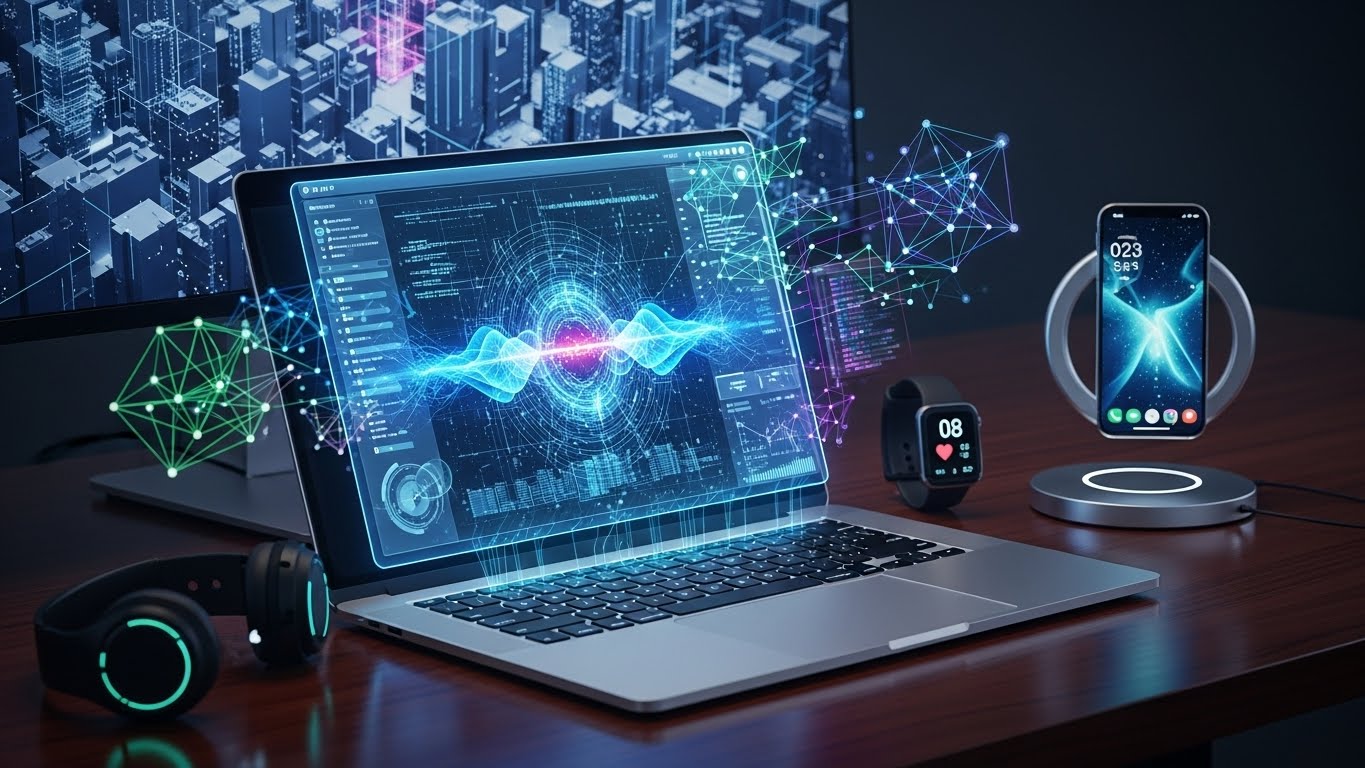
Technology has become the defining force of the 21st century, touching every aspect of human life. From communication and healthcare to education, business, and entertainment, technological innovation drives progress and shapes the way societies function. It is no longer merely a tool but a central pillar that influences the economy, culture, and daily routines. The pace of technological development is unprecedented, offering incredible opportunities while also posing significant challenges. Understanding these changes is crucial for individuals and organizations alike, as technology continues to redefine what is possible in the modern world.
The Evolution of Technology
Technology has come a long way from the simple machines and industrial tools of the early 20th century. The invention of computers and the internet revolutionized information sharing, communication, and business operations. Today, technology encompasses artificial intelligence, robotics, biotechnology, the Internet of Things, and quantum computing. These innovations have expanded human capabilities, allowing people to solve complex problems, automate repetitive tasks, and explore realms previously unimaginable. The journey of technology reflects humanity’s relentless desire for progress, efficiency, and creativity.
Artificial Intelligence: Shaping the Future
Artificial intelligence (AI) is one of the most transformative technologies of our era. AI systems can analyze data, identify patterns, and make decisions with speed and accuracy that surpass human capacity. In healthcare, AI assists in early diagnosis, personalized treatment, and drug development. In business, it drives predictive analytics, customer personalization, and process automation. Creative industries are exploring AI-generated art, music, and writing. However, AI also raises ethical questions regarding bias, accountability, and job displacement, highlighting the importance of responsible deployment alongside innovation.
The Internet of Things: A Connected World
The Internet of Things (IoT) connects physical devices to the internet, enabling them to collect, share, and act on data. Smart homes, wearable health monitors, and industrial sensors are examples of IoT applications. By creating a network of interconnected devices, IoT enhances convenience, efficiency, and productivity. Cities are using IoT to manage traffic, monitor energy consumption, and maintain infrastructure. As IoT continues to grow, it is reshaping how people interact with their environments, making technology an invisible yet integral part of everyday life.
Communication in the Digital Age
Modern communication has been transformed by technology. Social media, instant messaging, video conferencing, and collaboration platforms allow people to connect globally in real time. Businesses use these tools to coordinate teams, engage customers, and enhance productivity. For individuals, technology provides instant access to news, entertainment, and education. However, this constant connectivity also presents challenges such as information overload, privacy concerns, and the impact of digital interactions on mental health. Balancing technology use with mindfulness has become essential in the digital era.
Technology in Education
Education has been revolutionized by technology, making learning more accessible, flexible, and engaging. Digital classrooms, online learning platforms, and interactive tools allow students to learn at their own pace and explore a wide range of subjects. Virtual labs, simulations, and educational games enhance understanding and retention of knowledge. Educators can track progress, customize lessons, and provide immediate feedback using data-driven insights. Technology has opened new avenues for lifelong learning, preparing students for careers in a rapidly evolving digital economy.
Healthcare and Technological Advancements
Healthcare has benefited tremendously from technology, improving patient outcomes and access to care. Telemedicine enables remote consultations, while wearable devices monitor vital signs and promote preventive care. AI assists in diagnosing diseases, analyzing medical images, and developing personalized treatment plans. Robotics in surgery allows for precision procedures with faster recovery times. Technology also accelerates research, enabling scientists to analyze complex datasets and develop vaccines and treatments faster than ever. The integration of technology in healthcare is making medical care more efficient, precise, and patient-focused.
The Impact of Technology on Business
Technology is at the core of modern business operations. Cloud computing, big data analytics, and enterprise software streamline workflows, enhance decision-making, and optimize resource allocation. E-commerce platforms allow businesses to reach global audiences, while digital marketing tools provide targeted engagement. Automation reduces repetitive tasks, freeing human resources for strategic and creative work. Organizations that embrace technological innovation gain a competitive edge, adapting quickly to market changes and delivering value more effectively.
Entertainment in the Digital Era
The entertainment industry has undergone a technological revolution. Streaming platforms, virtual reality, gaming, and social media have transformed content consumption. Audiences can access movies, music, and games instantly and personalize their experiences. Immersive technologies such as augmented reality and virtual reality offer interactive experiences that blur the line between reality and digital worlds. Technology not only enhances creativity but also democratizes content distribution, enabling artists to reach global audiences without traditional gatekeepers.
Cybersecurity and Data Privacy
As technology advances, cybersecurity and data privacy become critical concerns. Cyberattacks, identity theft, and data breaches pose significant risks to individuals and organizations. Protecting sensitive information requires encryption, secure networks, and continuous monitoring. Ethical data management practices and regulatory compliance are essential for maintaining trust. In a world where data is as valuable as currency, safeguarding digital assets ensures that technology remains a force for good rather than a source of harm.
Challenges and Ethical Considerations
Despite its many benefits, technology presents challenges. Automation and AI may displace jobs, requiring workforce reskilling. Environmental impacts, such as electronic waste and energy consumption, must be addressed. Ethical dilemmas surrounding surveillance, AI bias, and misinformation require careful consideration. Policymakers, businesses, and individuals must work together to balance innovation with responsibility, ensuring that technology serves society equitably and sustainably.
The Future of Technology
The future of technology promises groundbreaking advancements. Quantum computing could revolutionize problem-solving in science and industry. Biotechnology and nanotechnology may redefine healthcare and human potential. Space exploration, powered by robotics and AI, could extend human presence beyond Earth. The rise of augmented reality, virtual reality, and the metaverse may create entirely new ways to work, learn, and socialize. Preparing for this future requires adaptability, continuous learning, and ethical foresight to harness technology’s full potential responsibly.
Conclusion
Technology has become an inseparable part of modern life, influencing how we communicate, learn, work, and entertain ourselves. From AI and IoT to digital media and healthcare innovations, technology offers immense opportunities while presenting new challenges. Embracing these advancements responsibly and ethically is crucial to ensuring that technology improves the quality of life for all. As we stand at the threshold of future innovations, the choices we make today will determine how technology shapes the world for generations to come.