





Introduction: The Age of Unstoppable Innovation
Technology is no longer just a tool—it is the lifeblood of modern society. From the way we communicate to the way we work, learn, and entertain ourselves, technology permeates every aspect of life. The pace of innovation is unprecedented, transforming industries, economies, and daily living. Artificial intelligence, cloud computing, quantum technologies, and the Internet of Things are not just buzzwords—they represent a fundamental shift in human capability. Understanding how technology is evolving and shaping the future is essential for anyone seeking to navigate the modern world.
The Evolution of Technology: From Tools to Intelligence
Humanity’s journey with technology began with simple tools. Stone knives, wheels, and early mechanical devices allowed our ancestors to solve basic problems and improve their quality of life. The Industrial Revolution marked a significant leap, introducing machines that increased productivity and transformed societies.
The 20th century brought computers, the internet, and mobile devices, redefining how humans access and process information. Today, we are in the midst of a new era where technology not only augments human capability but also learns and adapts independently. This evolution represents a shift from mechanical and digital tools to intelligent systems capable of influencing decision-making and creativity.
Artificial Intelligence: Machines that Learn
Artificial intelligence (AI) has emerged as one of the most transformative technologies of the 21st century. AI enables machines to mimic human intelligence, making decisions, analyzing data, and recognizing patterns. Machine learning allows computers to improve over time, while deep learning enables complex problem-solving by processing vast amounts of data.
AI applications are everywhere—from personal assistants and chatbots to autonomous vehicles and advanced medical diagnostics. Healthcare uses AI to predict disease outcomes and personalize treatment plans, while finance leverages AI for fraud detection and algorithmic trading. Despite its benefits, AI also raises ethical questions, including data privacy, bias in decision-making, and the potential displacement of human jobs.
The Internet of Things: Connecting the Physical and Digital Worlds
The Internet of Things (IoT) refers to the growing network of connected devices that communicate with one another to provide real-time data and insights. Smart homes, wearable devices, and connected vehicles are examples of IoT in everyday life. A thermostat can adjust temperatures automatically based on user preferences, while fitness trackers monitor health and wellness.
IoT extends far beyond personal convenience. In agriculture, sensors monitor soil and crop health, optimizing yield. In cities, traffic and environmental monitoring systems improve urban planning. IoT also poses challenges, especially in cybersecurity, as interconnected devices increase vulnerability to attacks. Ensuring safe and reliable IoT infrastructure is critical for continued growth.
Cloud Computing: Powering a Connected World
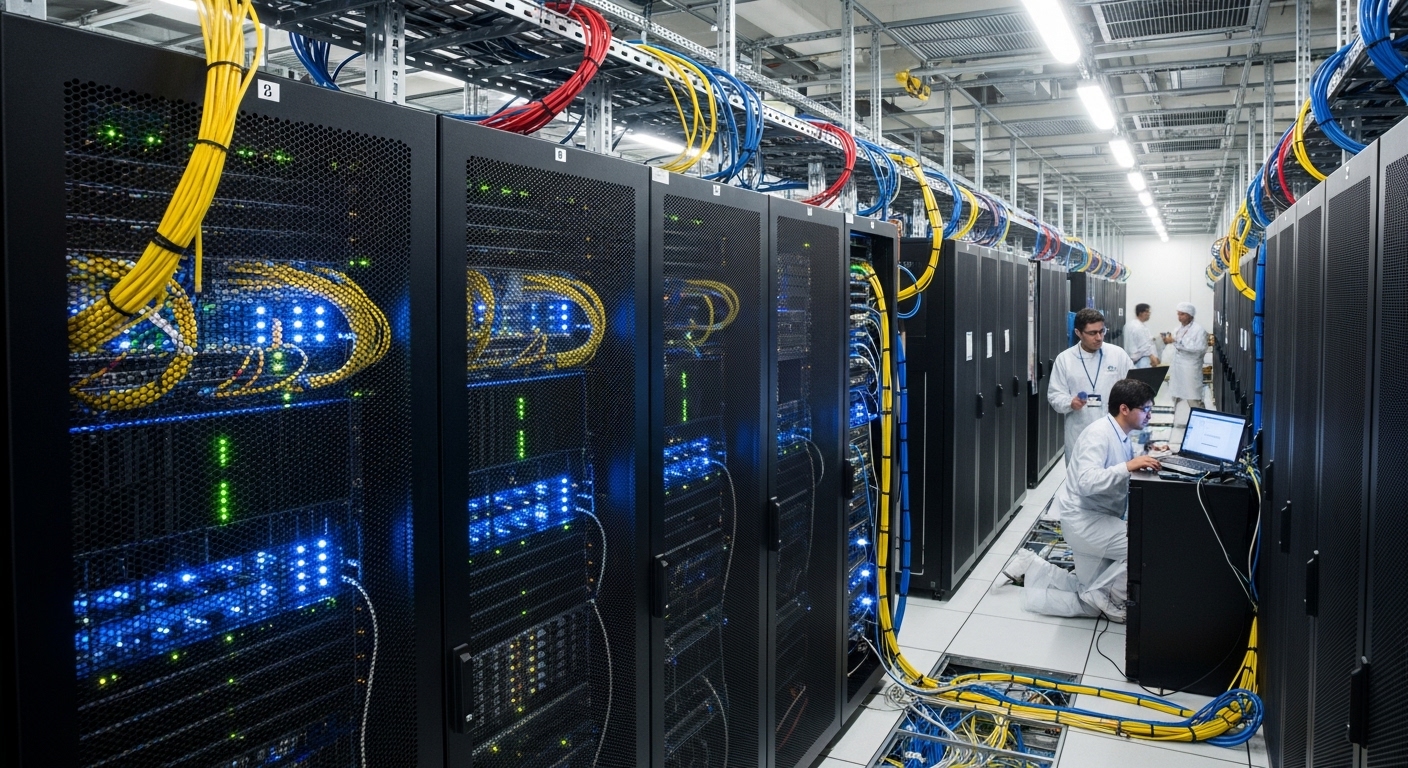
Cloud computing has fundamentally changed the way businesses and individuals access and store data. Instead of relying on local servers, cloud platforms allow users to store massive amounts of data, perform computations, and access software remotely.
Cloud technology supports innovations like artificial intelligence, big data analytics, and global collaboration. Organizations can scale resources quickly, reduce costs, and improve efficiency. During global shifts such as remote work trends, cloud computing has become indispensable, enabling seamless communication, collaboration, and access to information from anywhere in the world.
Blockchain: Security and Transparency in the Digital Age
Blockchain technology has revolutionized the concept of digital trust. By creating decentralized, immutable ledgers, blockchain ensures secure and transparent transactions. While initially associated with cryptocurrencies, blockchain has expanded into finance, supply chain management, healthcare, and digital identity systems.
Decentralization eliminates reliance on central authorities, empowering individuals with greater control over data and transactions. While blockchain promises enhanced security and transparency, challenges remain, including energy consumption, scalability, and regulatory uncertainties. Its potential impact on financial systems and governance is profound and continues to grow.
5G: The Next Frontier of Connectivity
The introduction of 5G networks represents a transformative step in global connectivity. With ultra-fast speeds, low latency, and high bandwidth, 5G enables applications that were previously impractical. Autonomous vehicles, real-time remote surgeries, immersive augmented reality experiences, and smart city infrastructure all rely on advanced connectivity.
5G is not merely about faster internet—it creates a foundation for innovation. Industries such as healthcare, transportation, entertainment, and manufacturing benefit from real-time data transmission and enhanced communication. As 5G networks expand, the technological possibilities for society become nearly limitless.
Cybersecurity: Protecting the Digital Frontier
As technology advances, cybersecurity has become a critical concern. Cyberattacks, data breaches, and ransomware threats have grown in frequency and sophistication. Protecting digital infrastructure is essential for businesses, governments, and individuals alike.
Cybersecurity measures include encryption, multi-layered firewalls, intrusion detection systems, and regular updates. Emerging technologies, such as AI-driven threat detection, are making cybersecurity more proactive by identifying vulnerabilities before they are exploited. Maintaining trust in digital systems is a continuous challenge that requires vigilance, ethical responsibility, and international cooperation.
Emerging Technologies Shaping the Future
Several emerging technologies are poised to redefine industries and society. Quantum computing promises computational power far beyond today’s capabilities, potentially revolutionizing medicine, logistics, and materials science. Virtual reality and augmented reality are transforming education, training, and entertainment by creating immersive digital experiences. Biotechnology and nanotechnology are enabling personalized medicine and advanced diagnostic tools.
These technologies offer unprecedented opportunities, but they also require careful consideration of ethical, environmental, and societal implications. Responsible innovation will be essential to maximize benefits while mitigating potential risks.
Technology and Education: Transforming Learning
Technology is reshaping education by enabling interactive, personalized, and remote learning. Digital tools allow students to access information globally, while AI-driven platforms adapt to individual learning styles. Virtual and augmented reality create immersive simulations for complex subjects, such as medical procedures or engineering projects.
Technology also prepares the workforce of the future. Skills in coding, data analysis, artificial intelligence, and digital literacy are increasingly essential. Educational institutions are evolving to meet these demands, bridging the gap between traditional curricula and the digital economy.
The Future of Work: Automation and Human Collaboration
Automation, AI, and robotics are reshaping how we work. Repetitive tasks are increasingly handled by machines, allowing humans to focus on creativity, problem-solving, and strategic decision-making. Digital collaboration tools enable global teams to work efficiently across time zones.
However, technological disruption also poses challenges. Reskilling the workforce, ensuring equitable access to technology, and preparing for new job types are critical. Organizations and governments must collaborate to ensure that the benefits of automation enhance society without leaving individuals behind.
Ethical Considerations: Guiding Innovation Responsibly
With rapid technological advancement comes ethical responsibility. Issues such as AI bias, data privacy, environmental impact, and equitable access are central concerns. Developers, businesses, and policymakers must prioritize transparency, accountability, and inclusivity to ensure technology serves humanity positively.
Ethical frameworks, industry standards, and governance mechanisms are essential. By embedding ethics into the development process, technology can advance while respecting human rights, societal norms, and environmental sustainability.
Conclusion: Embracing a Technological Future
Technology is shaping the trajectory of human civilization. It offers incredible opportunities to enhance productivity, connectivity, creativity, and quality of life. From AI and IoT to cloud computing, 5G, and quantum computing, each innovation redefines what is possible.
At the same time, technology demands responsibility. Ethical considerations, cybersecurity, and equitable access are critical to ensuring that technological progress benefits society as a whole. By embracing innovation thoughtfully and collaboratively, humanity can unlock a future defined by creativity, efficiency, and global connectivity.
The technological horizon is limitless, and understanding its potential is the key to thriving in the modern world. Technology is not just shaping the future—it is the future, and how we engage with it will determine the legacy of this era for generations to come.