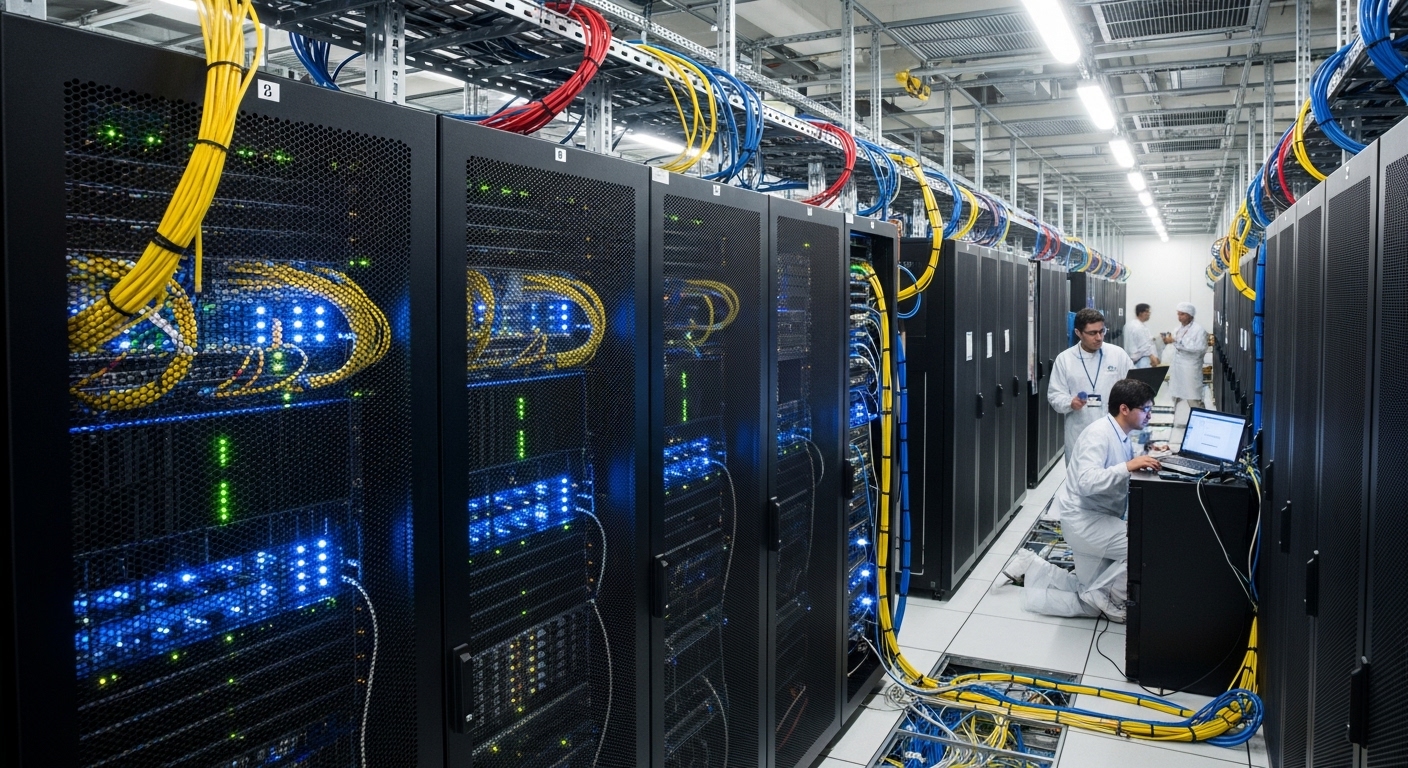





Technology has become an integral part of modern life, transforming how we communicate, work, learn, and entertain ourselves. From the earliest tools of civilization to the digital innovations of today, human progress has always been closely linked to technological advancements. In the 21st century, rapid development in computing, artificial intelligence, biotechnology, and digital communication is not only changing industries but also redefining the way we live and interact with the world. This article explores the evolution, impact, and future of technology, highlighting its transformative power across society.
The Evolution of Technology
Technology has evolved over thousands of years, starting from basic tools and machines to complex digital systems. Early humans relied on simple implements to hunt, build, and survive. The invention of the wheel, the printing press, and mechanized tools marked major leaps in human productivity and capability.
The industrial revolution brought machinery, mass production, and infrastructure, reshaping economies and societies. The 20th century introduced computers, telecommunications, and the internet, enabling global connectivity and digital innovation. Today, technology continues to evolve at an unprecedented pace, integrating artificial intelligence, robotics, and digital platforms into nearly every aspect of daily life.
Digital Transformation in Daily Life
The digital revolution has redefined daily life in profound ways. Smartphones, laptops, and wearable devices have made information, communication, and entertainment instantly accessible. Cloud computing allows data and applications to be available anywhere, facilitating remote work, online education, and global collaboration.
Social media platforms have changed the way people interact, share ideas, and form communities. Digital payment systems, e-commerce, and online banking have transformed commerce, making transactions faster, safer, and more convenient. From healthcare to transportation, technology permeates everyday life, increasing efficiency, accessibility, and convenience.
Artificial Intelligence and Machine Learning
Artificial intelligence (AI) and machine learning are at the forefront of modern technological innovation. AI systems analyze vast amounts of data, recognize patterns, and make decisions, enabling automation and enhancing productivity across industries. Machine learning algorithms power recommendations in entertainment, optimize logistics in supply chains, and improve medical diagnostics.
AI is also transforming creative industries, with applications in music, art, and literature. Voice assistants, smart home devices, and autonomous systems rely on AI to interact intelligently with users. As AI continues to advance, ethical considerations, privacy, and regulation become increasingly important to ensure that innovation benefits society responsibly.
Robotics and Automation
Robotics and automation have revolutionized manufacturing, logistics, and daily life. Automated assembly lines, robotic surgery, and self-driving vehicles illustrate the transformative impact of robotics. These technologies increase precision, efficiency, and safety while reducing human error and labor-intensive tasks.
In addition to industrial applications, robots are becoming part of homes and public spaces. Personal assistants, drones, and service robots assist with tasks ranging from cleaning and delivery to monitoring and surveillance. Robotics is expanding the possibilities of human productivity and reshaping how people interact with machines.
Biotechnology and Healthcare Innovations
Technological advancements in biotechnology have transformed healthcare, enabling more accurate diagnostics, personalized treatments, and advanced therapeutics. Genetic engineering, CRISPR technology, and regenerative medicine are pushing the boundaries of what is possible in curing diseases and improving human health.
Telemedicine, wearable health monitors, and AI-driven diagnostics are making healthcare more accessible and proactive. Patients can receive consultations remotely, track vital signs in real time, and benefit from predictive health models. Technology in healthcare is not only saving lives but also enhancing quality of life, transforming medicine into a data-driven and patient-centered field.
The Internet of Things and Smart Technology
The Internet of Things (IoT) connects everyday objects to the internet, enabling intelligent communication between devices. Smart homes, wearables, and connected vehicles collect and analyze data to improve efficiency, convenience, and personalization.
IoT applications extend to cities, agriculture, and industry. Smart cities optimize traffic flow, energy usage, and public services. IoT-enabled farms monitor soil conditions and crop health, increasing yields and sustainability. By connecting the physical and digital worlds, IoT creates opportunities for innovation, sustainability, and enhanced decision-making.
Cybersecurity in a Digital Age
As technology becomes more pervasive, cybersecurity has become a critical concern. Data breaches, identity theft, and cyberattacks threaten individuals, businesses, and governments. Protecting information and infrastructure requires sophisticated security measures, encryption, and continuous monitoring.
Cybersecurity is not only about technology but also about awareness and behavior. Educating users, implementing strong policies, and creating resilient systems are essential for safeguarding digital assets. In an interconnected world, cybersecurity is a cornerstone of trust, safety, and sustainable technological growth.
The Role of Technology in Education
Technology has revolutionized education, making learning more interactive, accessible, and personalized. Online courses, virtual classrooms, and educational apps provide flexible learning opportunities, breaking geographical and financial barriers.
Artificial intelligence and adaptive learning systems tailor educational content to individual needs, helping students progress at their own pace. Gamification, virtual reality, and simulations enhance engagement, allowing learners to experience complex concepts in immersive environments. Technology in education empowers individuals, promotes lifelong learning, and democratizes access to knowledge.
Technology and the Future of Work
The workplace is undergoing profound transformation due to technology. Automation, AI, and digital collaboration tools are reshaping job roles and workflows. Remote work and cloud-based systems allow teams to operate globally, increasing productivity and flexibility.
However, the integration of technology also presents challenges, such as job displacement and skill gaps. Preparing the workforce for the digital future requires reskilling, continuous learning, and adaptation. Technology is not replacing humans but augmenting capabilities, enabling people to focus on creative, strategic, and high-value tasks.
Environmental Impact and Sustainability
Technology also plays a critical role in addressing environmental challenges. Renewable energy systems, smart grids, and energy-efficient technologies contribute to sustainable development. Data analytics and AI optimize resource management, reduce waste, and monitor environmental changes.
Innovations such as electric vehicles, green construction, and precision agriculture demonstrate how technology can mitigate human impact on the environment. By leveraging technology responsibly, societies can pursue economic growth while preserving natural resources for future generations.
Ethical Considerations in Technology
As technology advances, ethical considerations become increasingly important. AI, biotechnology, data collection, and automation raise questions about privacy, fairness, accountability, and societal impact. Policymakers, developers, and users must work together to ensure that technology benefits humanity without compromising fundamental rights and values.
Responsible innovation requires transparency, ethical guidelines, and inclusive decision-making. By integrating ethical principles into technological development, society can harness the potential of innovation while minimizing risks and unintended consequences.
Conclusion: Technology as a Catalyst for Change
Technology is more than tools and machines; it is a catalyst for societal transformation. From healthcare and education to industry and daily life, technological advancements enhance efficiency, creativity, and connectivity. Artificial intelligence, robotics, IoT, and digital platforms are reshaping human experiences, offering unprecedented opportunities for growth and innovation.
As technology continues to evolve, it will challenge societies to adapt, innovate, and reflect on ethical responsibilities. By embracing innovation responsibly, humanity can create a future that is more connected, intelligent, and sustainable. Technology is not just shaping the present—it is defining the possibilities of tomorrow, empowering individuals and communities to reach beyond limits and explore new frontiers.