




Introduction: Living Inside the Machine Age
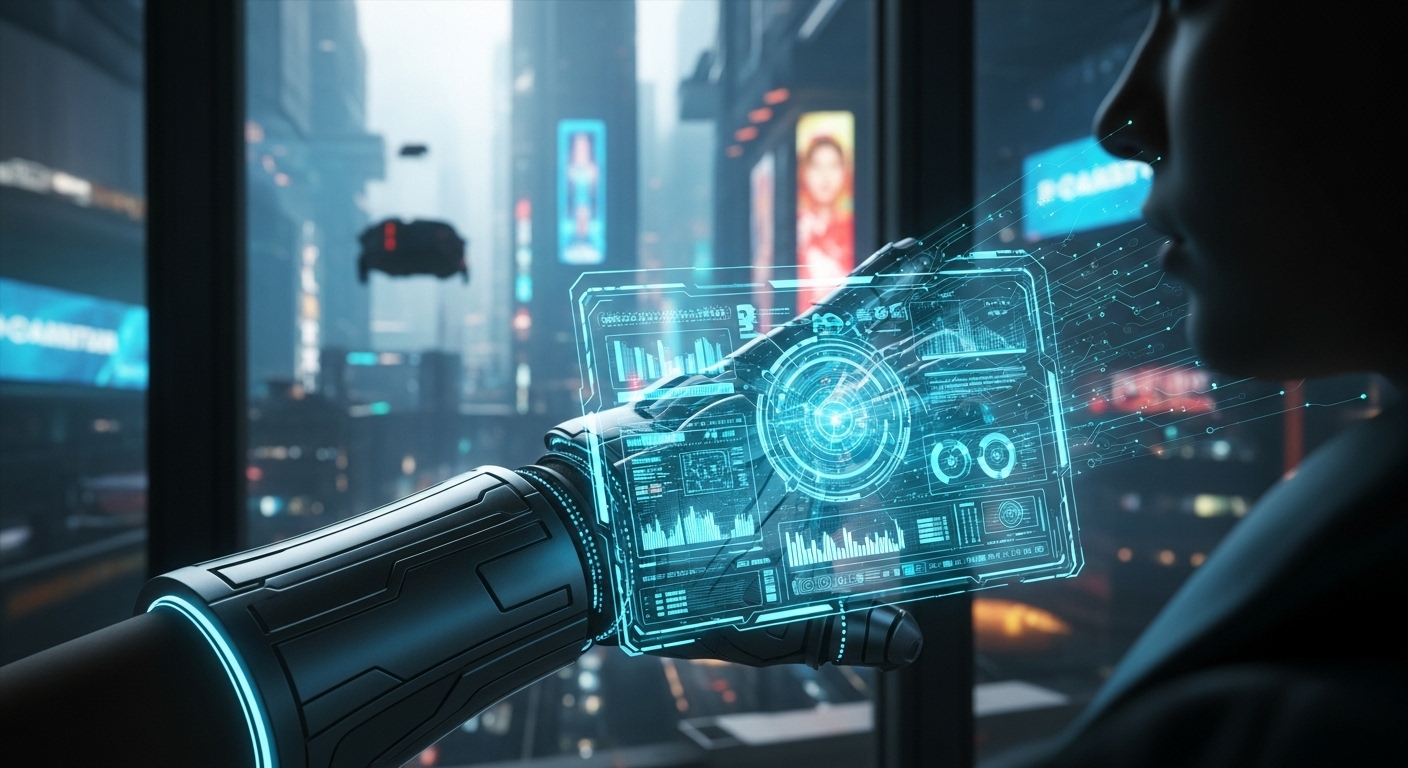
Technology is no longer a separate industry operating in the background of human life. It has become the environment we live in, much like air or time. From the moment we wake up to the moment we fall asleep, invisible systems guide our choices, automate our tasks, and influence how we think, work, and connect. Unlike past technological revolutions that changed tools, the current era is changing people themselves. This shift is subtle, continuous, and deeply transformative, making it one of the most powerful moments in human history.
The Evolution From Tools to Intelligence
Early technology existed to extend physical strength. The wheel reduced effort, machines multiplied productivity, and electricity expanded human reach. Modern technology goes far beyond physical assistance. It now extends cognitive abilities. Algorithms can predict behavior, analyze complex patterns, and generate creative outputs. This transition from mechanical tools to intelligent systems marks a turning point. Technology is no longer just something we use. It is something that collaborates with us, learns from us, and in some cases, decides for us.
Artificial Intelligence and the New Definition of Work
Work has always been central to human identity. Today, artificial intelligence is redefining what work means. Routine tasks that once required hours of human effort can now be completed in seconds. This does not signal the end of human labor, but rather a transformation of it. The value of work is shifting from repetition to creativity, judgment, and emotional intelligence. Jobs of the future will rely less on memorization and more on problem solving, adaptability, and ethical decision making. Technology is forcing society to rethink education, skills, and lifelong learning.
Data as the Fuel of the Digital World
Data has become the most valuable resource of the modern age. Every click, movement, and interaction generates information. This data fuels recommendation systems, smart cities, healthcare innovations, and financial models. However, the power of data comes with responsibility. Questions of ownership, privacy, and consent are now central ethical concerns. How data is collected and used will define trust between individuals, corporations, and governments. The challenge is not only technical but moral, requiring transparency and accountability in a world driven by information.
The Rise of Smart Environments
Technology is moving out of screens and into physical spaces. Homes can now adjust lighting, temperature, and security automatically. Cities are using sensors to manage traffic, energy consumption, and public safety. These smart environments promise efficiency and sustainability, but they also introduce new dependencies. When systems fail, the consequences can be widespread. Designing resilient and human centered smart spaces is essential to ensure technology enhances life rather than controls it.
Human Connection in a Digital Society
Communication technology has connected the world in unprecedented ways. Distance is no longer a barrier to collaboration or friendship. Yet, this constant connectivity has also changed how relationships form and function. Online interactions can be immediate but shallow, broad but fragmented. The challenge for modern society is to use technology to strengthen genuine human connection rather than replace it. Meaningful communication requires intention, empathy, and balance in an always connected world.
Education in the Age of Acceleration
Traditional education systems were built for a slower pace of change. Today, knowledge evolves rapidly, and skills can become outdated within years. Technology is reshaping education by making learning more personalized, accessible, and continuous. Digital platforms allow individuals to learn at their own pace and explore global perspectives. However, access remains unequal. Bridging the digital divide is critical to ensure technology empowers everyone, not just a privileged few.
Healthcare Transformed by Innovation
Technology is revolutionizing healthcare in profound ways. Advanced diagnostics, wearable devices, and predictive analytics are shifting medicine from reactive treatment to proactive prevention. Patients can monitor their health in real time, while doctors can make more informed decisions. Despite these advances, human judgment and compassion remain irreplaceable. Technology should support healthcare professionals, not replace the human connection that lies at the heart of healing.
Ethics and Responsibility in a Powerful Era
With great technological power comes great responsibility. Decisions made by developers and organizations can impact millions of lives. Bias in algorithms, misuse of surveillance, and unequal access to innovation can deepen social divides. Ethical frameworks must evolve alongside technology. This requires collaboration between technologists, policymakers, and communities. Responsible innovation is not about slowing progress, but about guiding it toward outcomes that respect human dignity and fairness.
The Psychological Impact of Constant Innovation
Living in a rapidly changing technological environment affects mental well being. Constant notifications, information overload, and pressure to keep up can lead to stress and burnout. Technology should serve human needs, not overwhelm them. Designing tools that promote focus, balance, and mindful use is becoming increasingly important. Digital well being is emerging as a key consideration in the future of technology design.
Creativity in the Digital Era
Technology has democratized creativity. Anyone with a device can create content, share ideas, and reach a global audience. New tools enable artists, writers, and innovators to experiment in ways previously unimaginable. At the same time, originality faces new challenges as automated systems generate content at scale. The role of human creativity is shifting toward vision, meaning, and emotional resonance. Technology expands creative potential, but human imagination gives it purpose.
Sustainability and the Role of Technology
The future of the planet is closely tied to technological choices. Innovation can drive renewable energy, reduce waste, and optimize resource use. At the same time, technology consumes energy and materials, contributing to environmental challenges. Sustainable design and responsible production are essential. Technology must be part of the solution, not the problem, in addressing global environmental concerns.
The Future Relationship Between Humans and Technology
The relationship between humans and technology is not fixed. It is shaped by choices made every day. Will technology amplify human values or replace them? Will it empower individuals or concentrate power? The answers depend on how society designs, regulates, and uses innovation. The future is not written in code alone, but in collective decisions about what kind of world we want to build.
Conclusion: Choosing Progress With Purpose
Technology is the most powerful tool humanity has ever created. It can unlock extraordinary potential or deepen existing challenges. The difference lies in intention and responsibility. Progress should not be measured only by speed or profit, but by impact on human life. As technology continues to evolve, the true measure of success will be how well it serves people, strengthens communities, and preserves the values that make us human. The silent code shaping tomorrow is not just written by machines, but by the choices we make today.