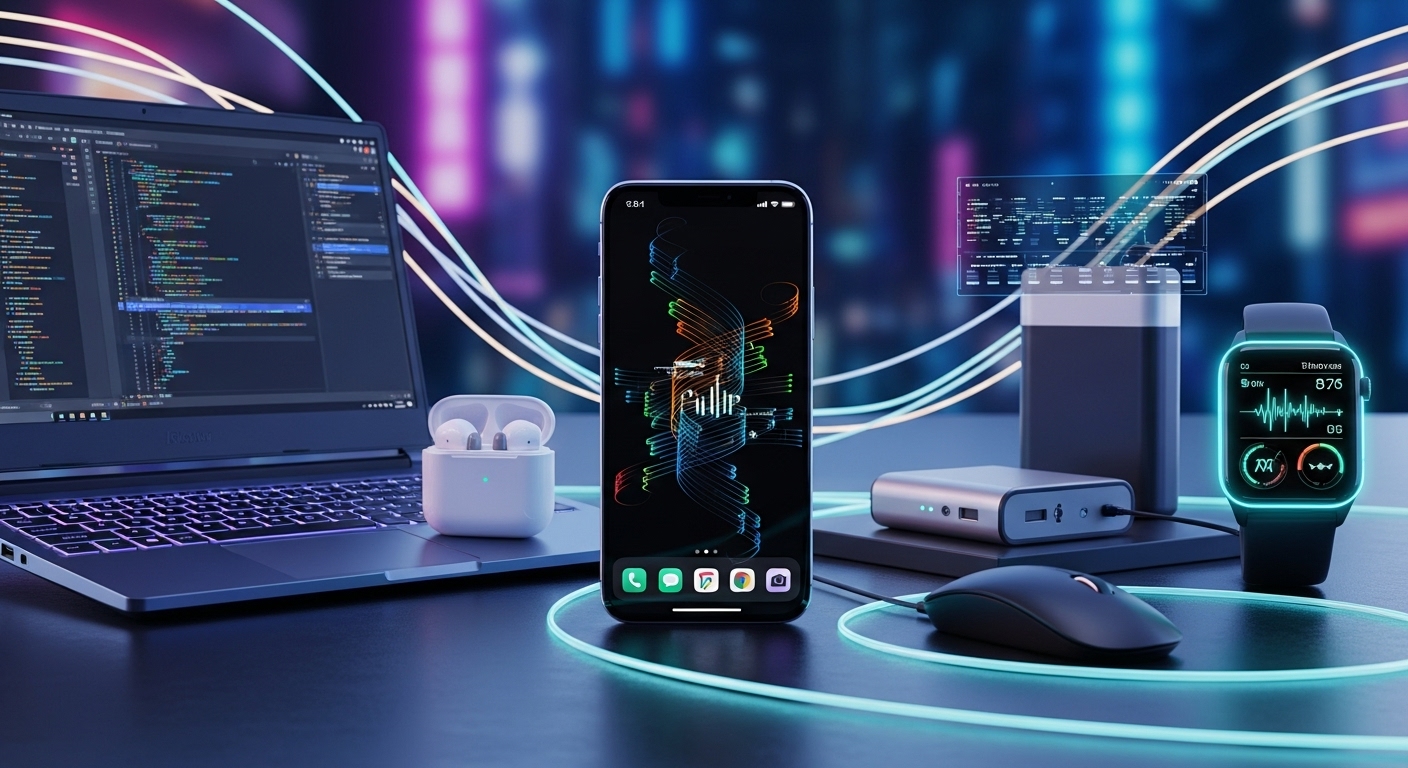





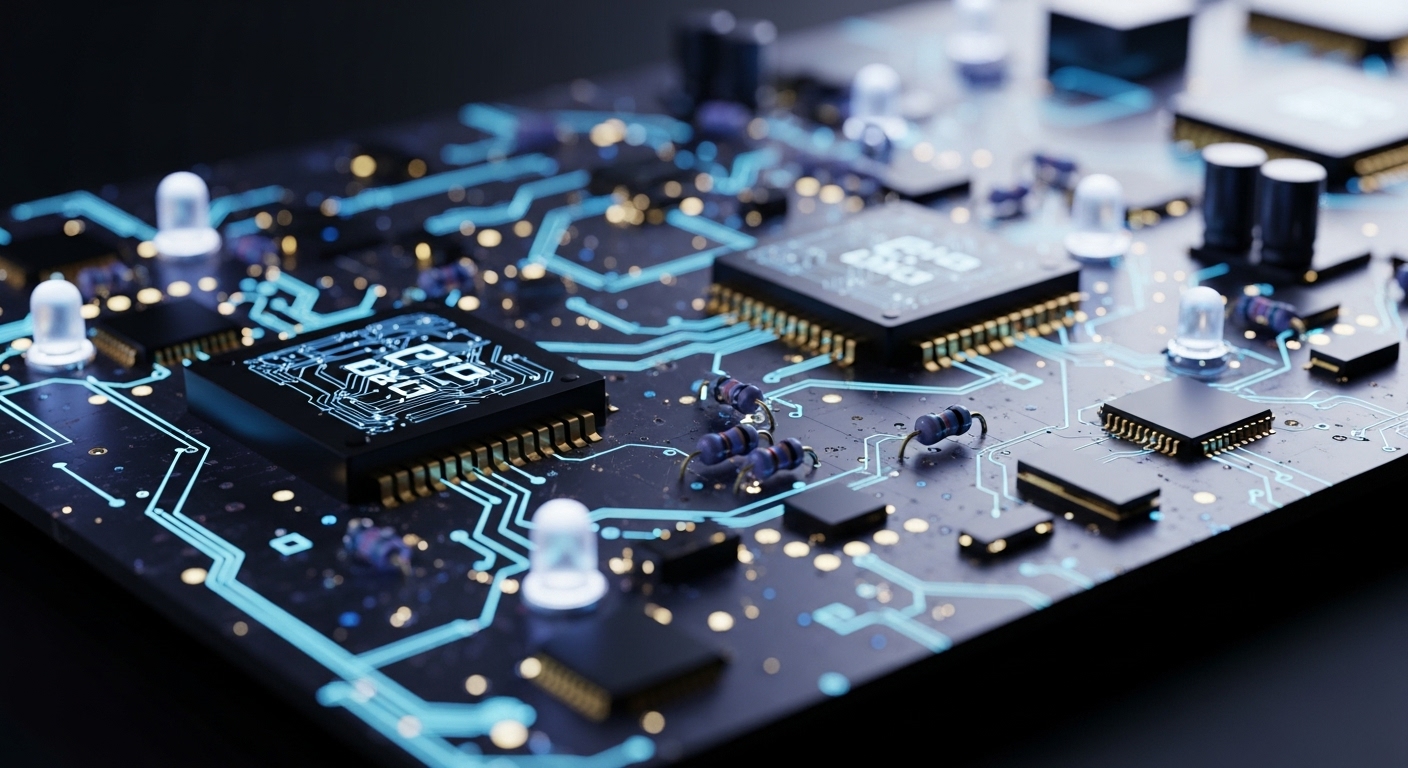
Technology has always been the driving force behind human progress. From the invention of the printing press to the rise of the internet, each breakthrough has transformed society in ways previously unimaginable. Today, we are witnessing a new era of innovation where artificial intelligence, quantum computing, immersive digital experiences, and sustainable technologies are redefining how we live, work, and connect. This blog explores the most influential technological trends of our time and how they are shaping the future.
Artificial Intelligence: The Brain of Modern Technology
Artificial Intelligence (AI) is no longer just a futuristic concept. It has become a pivotal element in numerous industries, transforming processes, decision-making, and human interactions. AI systems can analyze vast datasets, recognize patterns, and even make decisions autonomously, offering unprecedented efficiency and precision.
In healthcare, AI is revolutionizing diagnostics and patient care. Machine learning algorithms can analyze medical images to detect illnesses like cancer, sometimes more accurately than human specialists. AI is also accelerating drug development by simulating molecular interactions, drastically reducing the time required to discover effective treatments.
In business, AI enhances customer experiences through personalized recommendations and intelligent chatbots. Supply chain management has become more efficient thanks to predictive analytics that anticipate demand and optimize logistics. The integration of AI into everyday life, from smartphones to home assistants, demonstrates its growing influence, suggesting a future where AI is deeply embedded in almost every aspect of human activity.
Quantum Computing: Unlocking the Next Frontier
Quantum computing represents a paradigm shift in processing power. Unlike classical computers that use binary digits, quantum computers employ qubits, which can exist in multiple states simultaneously. This capability allows them to solve complex problems exponentially faster than traditional machines.
The potential applications of quantum computing are extraordinary. In medicine, it could simulate intricate molecular interactions, leading to breakthroughs in drug discovery and personalized treatments. In finance, quantum algorithms can optimize investment strategies and risk management with unparalleled accuracy. Even climate modeling and materials science could benefit from quantum computing’s immense processing power.
Despite its promise, quantum computing faces significant technical challenges, including qubit stability and error correction. However, ongoing research and substantial investment indicate that within the next decade, quantum computing may revolutionize multiple industries, pushing the boundaries of what was once considered possible.
The Internet of Things: Connecting Every Aspect of Life
The Internet of Things (IoT) is transforming ordinary objects into intelligent, connected systems. From household appliances to industrial machinery, IoT devices gather and exchange data, creating a network that enables automation and smarter decision-making.
Smart homes are among the most visible applications of IoT. Thermostats, lighting, and security systems can now adjust automatically based on user behavior, making homes more energy-efficient and convenient. Smart cities leverage IoT sensors to monitor traffic, pollution, and energy consumption, enabling urban planners to improve infrastructure and public services.
In industry, IoT enhances productivity and safety. Connected machines provide real-time insights, predict maintenance needs, and reduce operational downtime. The integration of AI with IoT is creating intelligent ecosystems capable of anticipating problems and implementing solutions autonomously. The result is a seamlessly connected world where technology responds dynamically to human needs.
Virtual and Augmented Reality: Redefining Human Interaction
Virtual Reality (VR) and Augmented Reality (AR) are transforming the way we experience the world. VR immerses users in completely digital environments, while AR overlays information and visuals onto the real world. These technologies are expanding beyond entertainment into education, healthcare, and professional applications.
In education, VR allows students to explore historical events, travel inside the human body, or conduct scientific experiments virtually. AR enriches the learning experience by providing interactive visualizations, making complex concepts more understandable and engaging.
Healthcare is another sector benefiting from immersive technologies. Surgeons use VR to practice procedures in virtual environments, reducing risks during actual operations. AR helps guide medical professionals during surgeries by displaying critical information directly in their field of view.
In business and retail, VR and AR offer innovative ways to engage customers. Shoppers can virtually try products before buying, while companies use VR for immersive training and team collaboration. As these technologies advance, the boundary between physical and digital realities continues to blur, opening new possibilities for creativity and efficiency.
Renewable Energy and Sustainable Technology
Technology is also shaping how we power our world. Renewable energy sources such as solar, wind, and hydroelectric power are becoming increasingly efficient and affordable, enabling a transition away from fossil fuels. These advancements are crucial for combating climate change and promoting sustainable development.
Solar panels have evolved from expensive and bulky systems to accessible solutions suitable for homes and businesses. Wind turbines are becoming more efficient and environmentally friendly. Energy storage solutions, such as advanced batteries, are addressing the intermittency of renewable sources, making clean energy more reliable and practical.
Transportation is undergoing a similar transformation. Electric vehicles are rapidly gaining popularity, supported by advancements in battery technology and charging infrastructure. Autonomous electric vehicles promise reduced traffic congestion, lower emissions, and safer roads. As technology continues to evolve, sustainable innovations are becoming integral to both daily life and global environmental strategy.
Robotics and Automation: Redefining Work
Robotics and automation are transforming industries and the workforce. Machines can now perform tasks with remarkable precision and consistency, often exceeding human capabilities. From manufacturing to logistics, automation is increasing productivity and efficiency.
In factories, robotic arms assemble products quickly while maintaining high quality. Warehouses use automated systems to manage inventory and fulfill orders with minimal human intervention. Even service industries are embracing robotics, with machines assisting in areas such as delivery, customer support, and repetitive office tasks.
While automation offers efficiency and scalability, it also raises concerns about employment and workforce displacement. Preparing the next generation for a technologically advanced job market requires a focus on creativity, problem-solving, and technical skills that complement automation rather than compete with it.
Cybersecurity in a Hyperconnected World
As technology becomes increasingly embedded in daily life, cybersecurity has emerged as a critical concern. Cyber threats are growing in complexity, targeting individuals, businesses, and governments alike. Protecting sensitive data and infrastructure is essential for maintaining trust in digital systems.
Artificial intelligence is playing a dual role in cybersecurity. On one hand, AI tools can identify threats and respond to attacks faster than human analysts. On the other, cybercriminals use AI to develop sophisticated attacks, creating a continuous cycle of challenge and response. Organizations must adopt proactive cybersecurity strategies, including monitoring, encryption, and secure development practices, to safeguard their digital assets.
The increasing prevalence of IoT devices, cloud computing, and remote work further emphasizes the importance of robust security measures. A secure digital ecosystem is crucial for the continued growth and reliability of modern technology.
Ethical Considerations in Technology
The rapid evolution of technology brings with it complex ethical questions. Artificial intelligence can unintentionally perpetuate biases if trained on flawed data. Automation may displace workers, raising socioeconomic concerns. Quantum computing could compromise existing security systems, creating vulnerabilities.
Addressing these challenges requires responsible innovation. Policymakers, technologists, and society must work collaboratively to ensure that technological advancements benefit humanity as a whole. Principles such as transparency, accountability, and inclusivity must guide the development and implementation of emerging technologies. Ethical considerations are essential to building trust and ensuring that innovation serves humanity positively.
The Future of Technology and Human Potential
The technologies shaping our world today offer unprecedented opportunities. Artificial intelligence, quantum computing, IoT, immersive realities, renewable energy, robotics, and cybersecurity are redefining what is possible in every sphere of life. These advancements promise to improve healthcare, education, sustainability, and overall quality of life.
However, the benefits of technology must be balanced with careful consideration of ethical, social, and environmental impacts. By embracing innovation responsibly, we can ensure that technology enhances human potential rather than creating unintended consequences. The future is filled with possibilities, and those who approach it thoughtfully will be at the forefront of shaping a world that is intelligent, sustainable, and equitable.
Technology is not just a tool; it is a partner in human progress. The choices we make today will determine the world of tomorrow. By understanding, adapting to, and guiding technological advancement, humanity can unlock its full potential and create a future that goes beyond imagination.