





Introduction
Technology has become the heartbeat of modern civilization. Every invention, from the smallest microchip to the most powerful artificial intelligence system, represents humanity’s unending quest for progress. In today’s interconnected world, technology influences nearly every aspect of life—communication, education, healthcare, business, transportation, and even art. It shapes how we think, how we work, and how we connect with one another. The rapid advancement of technology is not only transforming industries but also redefining what it means to be human. As we stand at the crossroads of innovation, understanding the role of technology in shaping our future has never been more essential.
The Journey from Invention to Innovation
The story of technology is as old as humanity itself. The first stone tools marked the beginning of human innovation, giving early humans an advantage in survival and adaptation. Over thousands of years, these tools evolved into complex machines that transformed societies. The Industrial Revolution was a turning point, introducing mechanization and mass production that changed the economic and social fabric of the world. In the twentieth century, electricity, automobiles, and computers accelerated global progress. Now, in the digital age, technology advances at lightning speed. Artificial intelligence, robotics, and biotechnology are driving an era where the boundaries between human and machine are blurring. This evolution shows that technology is not just about tools but about transforming possibilities.
The Digital Revolution and Its Global Impact
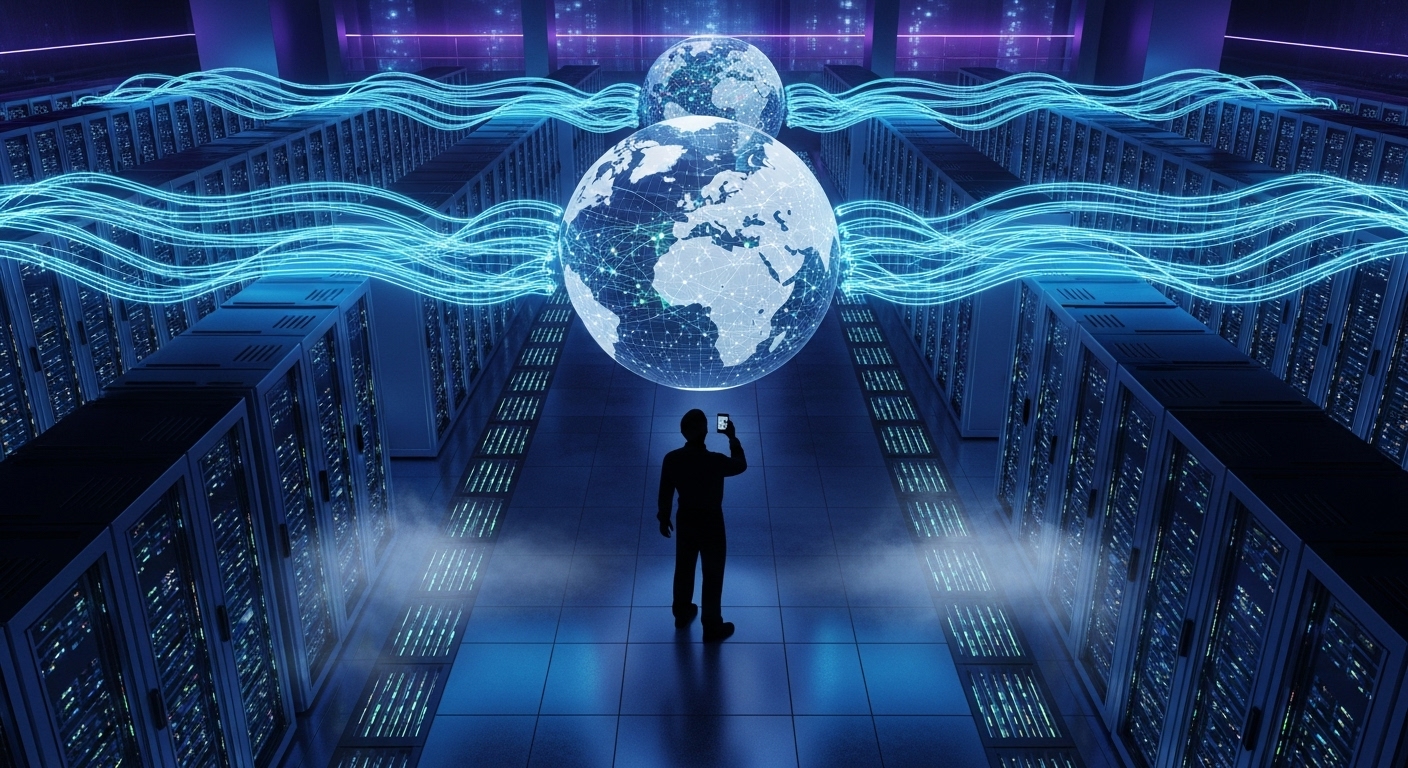
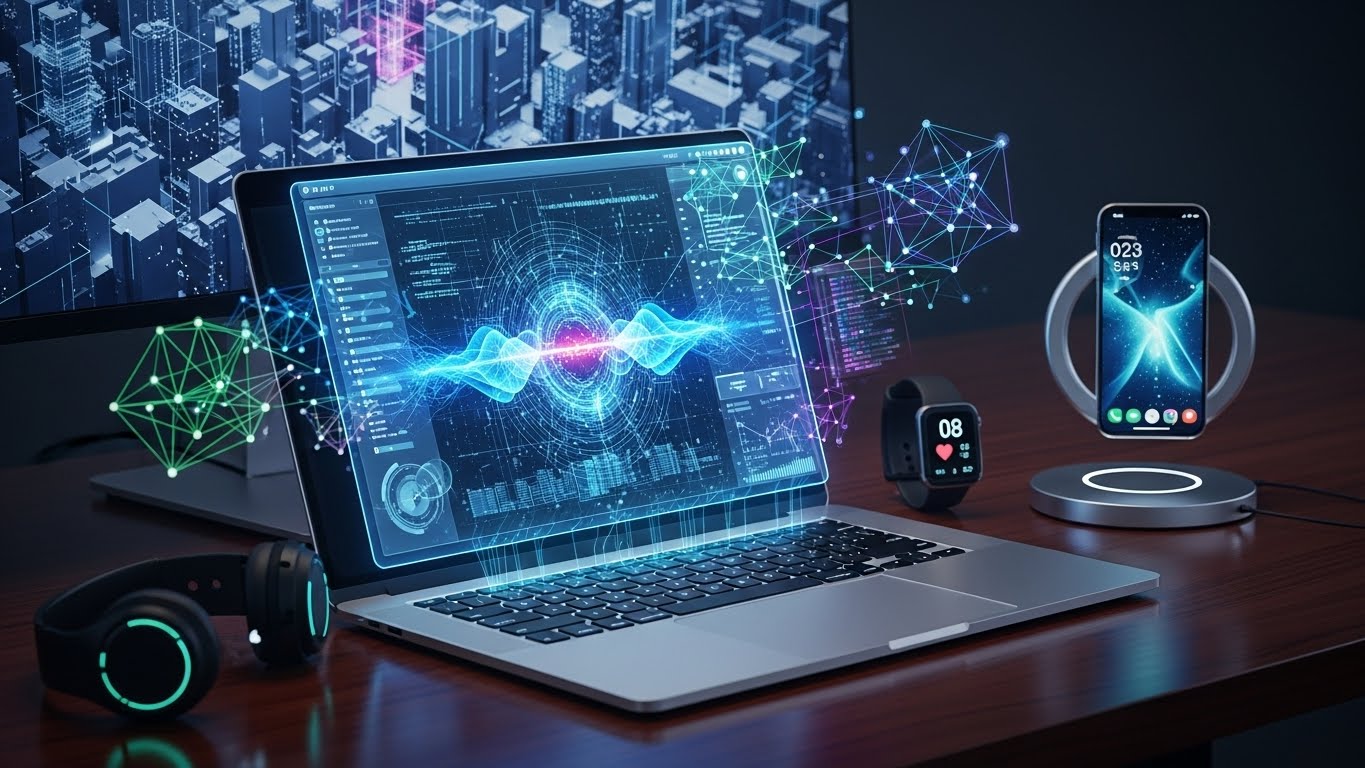
The digital revolution redefined how the world operates. It began with the invention of computers and the internet, leading to a new era of information exchange and connectivity. The internet allowed knowledge to travel across continents in seconds, connecting people from diverse cultures and backgrounds. This revolution gave rise to new industries, such as e-commerce, digital media, and software development, which have become pillars of the global economy. Smartphones have placed the power of computing in the hands of billions, making information accessible to everyone. The digital revolution continues to shape politics, culture, and education, making technology the central force driving modern civilization.
Artificial Intelligence: The New Frontier
Artificial intelligence, commonly known as AI, stands at the forefront of technological transformation. It allows machines to perform tasks that once required human intelligence—such as decision-making, speech recognition, and problem-solving. AI systems can analyze vast amounts of data, identify patterns, and make predictions with remarkable accuracy. In healthcare, AI assists doctors in diagnosing diseases earlier than ever before. In business, it helps companies forecast market trends and personalize customer experiences. In daily life, AI powers virtual assistants, smart home devices, and recommendation systems. However, as AI becomes more integrated into society, concerns about ethics, privacy, and employment arise. The future of AI depends on balancing innovation with responsibility, ensuring that machines enhance human life rather than replace it.
The Role of Technology in Modern Education
Education has undergone a digital transformation powered by technology. Traditional classrooms are evolving into virtual learning spaces where students can access knowledge from anywhere in the world. Online learning platforms, interactive simulations, and digital textbooks make education more flexible and engaging. Artificial intelligence helps customize lessons to match individual learning styles, while virtual reality brings abstract concepts to life through immersive experiences. This democratization of education bridges geographical barriers and provides opportunities to learners in remote areas. However, challenges remain, such as unequal access to technology and the need for digital literacy. The future of education lies in creating inclusive systems that combine technology with human creativity and critical thinking.
The Revolution in Healthcare Technology
The intersection of technology and healthcare has given rise to a new era of medical innovation. Modern hospitals now rely on digital tools for diagnosis, treatment, and patient management. Telemedicine allows doctors to consult with patients remotely, providing medical care to people who live far from hospitals. Wearable devices track vital signs and encourage individuals to take proactive control of their health. Robotics assists surgeons in performing complex operations with precision, while biotechnology is unlocking cures for genetic disorders and chronic diseases. Artificial intelligence further enhances healthcare by analyzing patient data to predict and prevent illnesses. With these advancements, healthcare is becoming more personalized, accessible, and effective, though ethical and privacy issues must still be addressed to ensure patient trust.
Cybersecurity in a Connected World
As the world becomes more connected, cybersecurity has become one of the most pressing issues of our time. Every digital transaction, email, or online activity generates data that must be protected from cyber threats. Hackers and cybercriminals exploit vulnerabilities in systems, leading to data breaches and identity theft. The rise of cloud computing and remote work has increased the need for robust digital security. Businesses and governments invest heavily in encryption, firewalls, and advanced threat detection systems to protect sensitive information. However, individuals also play a critical role by practicing safe online behavior, using strong passwords, and being vigilant against phishing attacks. Cybersecurity is not just a technical challenge but a collective responsibility in the digital age.
The Internet of Things and Smart Technology
The Internet of Things, or IoT, connects physical devices to the internet, allowing them to communicate and share data. From smart homes that adjust lighting and temperature automatically to smart cities that manage traffic and energy consumption, IoT is transforming how we live and work. In industries, connected machines optimize production, reduce waste, and monitor equipment health in real-time. In healthcare, IoT devices track patient data continuously, providing doctors with valuable insights. While IoT increases convenience and efficiency, it also raises concerns about privacy and data security. As more devices become interconnected, safeguarding personal information will be crucial to maintaining trust in the technology that defines modern living.
Technology and the Future of Work
The workplace is evolving rapidly due to technological advancements. Automation, artificial intelligence, and robotics are changing the nature of jobs across industries. Routine tasks are increasingly being performed by machines, allowing humans to focus on creative and strategic work. Remote work, supported by digital collaboration tools, has become the new normal, offering flexibility and global opportunities. However, these changes also demand new skills. Workers must continuously adapt, learning digital and technical skills to remain competitive in an ever-changing job market. Governments and educational institutions must work together to create training programs that prepare individuals for the future of work—one where technology and human intelligence coexist harmoniously.
Environmental Sustainability Through Technology
Technology has a significant role to play in addressing global environmental challenges. Renewable energy technologies such as solar, wind, and hydroelectric power are reducing dependence on fossil fuels. Electric vehicles are revolutionizing transportation by minimizing carbon emissions. Smart agriculture uses sensors and data analytics to optimize irrigation, monitor soil health, and increase crop productivity while conserving resources. Artificial intelligence helps scientists track climate patterns and predict natural disasters. Yet, technology also contributes to e-waste and resource depletion, creating the need for responsible manufacturing and recycling practices. By focusing on green innovation and sustainable design, humanity can ensure that technology becomes a force for environmental protection rather than destruction.
The Social and Cultural Impact of Technology
Technology is not only transforming industries but also reshaping social interactions and cultural dynamics. Social media platforms allow people to connect across borders, share experiences, and express creativity. They give a voice to movements and ideas that can inspire global change. However, excessive use of digital media can lead to isolation, misinformation, and mental health challenges. It is important to use technology in ways that enhance human relationships rather than replace them. Culturally, technology has enabled the preservation and sharing of heritage through digital archives and online platforms. It bridges gaps between generations and cultures, fostering global understanding and unity in diversity.
The Ethical Dimension of Technology
The rise of advanced technologies brings with it complex ethical questions. Issues such as data privacy, surveillance, algorithmic bias, and artificial intelligence ethics require careful consideration. Developers and policymakers must ensure that technology serves humanity’s best interests. Ethical innovation involves designing systems that are transparent, fair, and accountable. It also demands that we consider the long-term consequences of technological progress, especially when it affects human rights or the environment. Building a moral framework around technology ensures that innovation aligns with humanity’s core values of equality, justice, and respect for life.
The Promise of Future Technologies
The future promises even greater breakthroughs. Quantum computing will revolutionize problem-solving by performing complex calculations that are impossible for traditional computers. Biotechnology may extend human lifespan and eliminate genetic diseases. Space technology could make interplanetary exploration and colonization a reality. Augmented and virtual reality will change how people learn, work, and interact. However, as technology evolves, society must ensure that progress remains inclusive and ethical. The ultimate goal is to use innovation to improve the quality of life, foster equality, and address the world’s most pressing challenges.
Conclusion
Technology is more than a collection of tools—it is the expression of human ingenuity and aspiration. It connects people, drives economies, cures diseases, and opens doors to infinite possibilities. Yet, as powerful as technology is, its true value lies in how it is used. The challenge of our era is to harness innovation responsibly, balancing progress with ethics, convenience with security, and speed with sustainability. The future will not be defined by machines alone but by how humanity chooses to shape them.
As we move deeper into the age of innovation, one truth remains constant: technology should serve humanity, not replace it. The more we align our inventions with compassion, wisdom, and purpose, the closer we come to building a world where progress benefits everyone. The digital revolution is not the end of the human story—it is the beginning of a new chapter filled with potential, creativity, and endless discovery.