


Introduction
Technology is the most powerful force shaping the human experience. It has redefined the way we live, work, communicate, and even think. From the first steam engine to self-learning artificial intelligence systems, technology has evolved at a pace that is nothing short of astonishing. It continues to drive innovation, efficiency, and connection across every aspect of modern life.
This article explores the history, evolution, and potential future of technology—highlighting the major turning points that brought us from simple machines to a world driven by automation, robotics, artificial intelligence, and digital ecosystems.
The Dawn of Technological Advancement
The story of technology begins long before modern civilization. Early humans used basic tools made of stone and bone to hunt, gather, and survive. The invention of the wheel, fire, and simple farming tools marked the earliest forms of technological progress. These primitive innovations laid the foundation for the complex systems we have today.
As societies advanced, technology became central to human growth. The creation of writing systems allowed people to document knowledge, while metallurgy and construction techniques enabled the building of cities and infrastructure. Each era built upon the innovations of the one before it, leading to larger leaps forward in human capability.
The Industrial Revolution: Birth of Modern Technology
The Industrial Revolution, which began in the late 18th century, is often considered the first major turning point in modern technology. It transformed agrarian societies into industrial powerhouses. Factories replaced small workshops, steam engines replaced manual labor, and mass production became a defining feature of the age.
The Rise of Machines
The introduction of machinery changed how goods were produced and how people worked. The steam engine powered trains, ships, and manufacturing plants, dramatically increasing productivity. Textile mills, powered by water and later by steam, became the heart of industrial cities.
This mechanization also spurred new inventions, such as the telegraph and the spinning jenny, which accelerated communication and production. For the first time in history, human labor and machine power were combined to create unprecedented levels of efficiency.
Impact on Society
While the Industrial Revolution brought prosperity and growth, it also reshaped societies in profound ways. Urbanization increased as people moved to cities for work. Traditional crafts declined, and new social classes emerged. The demand for coal, iron, and steel gave rise to large industries that would dominate global economies for decades.
But perhaps the most lasting impact was the mindset shift—it introduced the idea that innovation could be continuous. It created a belief that human ingenuity, combined with machinery, could overcome almost any limitation.
The Second Industrial Revolution: Electricity and Communication
By the late 19th century, technology entered a new phase. The discovery and application of electricity changed everything. The world moved from steam and mechanical power to electric and chemical energy. This period, often called the Second Industrial Revolution, was marked by the invention of the light bulb, the telephone, and the internal combustion engine.
The Power of Electricity
Electricity became the heartbeat of progress. Factories could now operate at night, homes were illuminated, and communication was no longer limited by distance. Thomas Edison’s inventions, alongside Nikola Tesla’s contributions to alternating current, transformed industries and homes alike.
Revolutionizing Communication
The invention of the telephone by Alexander Graham Bell and the development of radio technology made instant communication possible. People could now connect across cities, countries, and continents. Information began to travel faster than ever before, laying the groundwork for the interconnected digital world of today.
The Digital Revolution: Birth of the Computer Age
The 20th century witnessed a revolution unlike any before—the Digital Revolution. It began with the invention of the computer and rapidly expanded to include the internet, smartphones, and digital communication systems.
The Birth of Computing
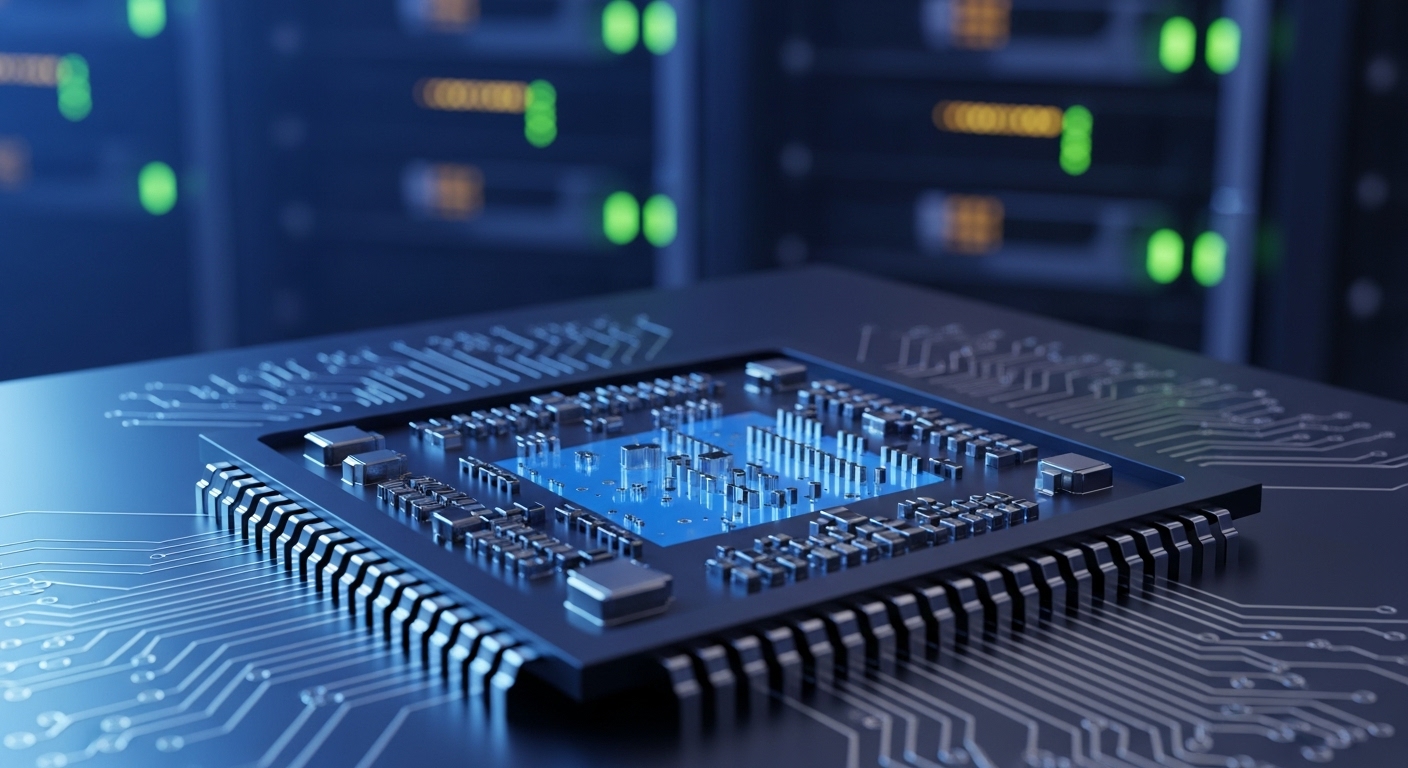
Early computers, such as ENIAC and UNIVAC, were enormous machines used primarily for calculations and military applications. Over time, advancements in microprocessors, semiconductors, and integrated circuits made computers smaller, faster, and more accessible.
The development of personal computers in the 1970s and 1980s by companies like Apple, IBM, and Microsoft changed the way people interacted with technology. Computers were no longer tools for scientists or governments—they became essential devices for homes, schools, and businesses.
The Internet and the Global Village
Perhaps no invention has reshaped humanity more than the internet. Born out of military research and academic collaboration, it evolved into a global network connecting billions of people. The internet created the concept of a “global village,” where distance and borders became irrelevant in communication and commerce.
Email, web browsers, and social media platforms revolutionized how information is shared and consumed. Businesses could reach global audiences instantly, education became more accessible, and creativity found new platforms for expression.
The Rise of Mobile Technology
As computing became more portable, mobile technology took center stage. The introduction of smartphones in the early 2000s merged the capabilities of telephones, cameras, and computers into one compact device.
Smartphones and Connectivity
Smartphones transformed the way people live. With touchscreens, internet access, and mobile applications, they became essential extensions of daily life. Mobile apps now handle everything from communication to banking, entertainment, and education.
The evolution of mobile networks—from 2G to 5G—further accelerated this change. High-speed internet connectivity made video calls, streaming, and real-time collaboration commonplace. The smartphone became not just a communication tool but a digital hub for personal and professional life.
Social Media and Digital Culture
The explosion of social media platforms reshaped global communication. Platforms like Facebook, Twitter, Instagram, and TikTok allowed individuals to share their voices, ideas, and art with massive audiences. This democratization of information had both positive and negative consequences.
On one hand, it empowered movements, created communities, and provided platforms for marginalized voices. On the other, it introduced challenges like misinformation, addiction, and data privacy concerns.
Artificial Intelligence: The New Frontier
Artificial Intelligence (AI) represents the next great leap in technology. While the idea of intelligent machines dates back to ancient myths, modern AI began taking shape in the mid-20th century with developments in computer science and neural networks.
Understanding Artificial Intelligence
AI refers to the simulation of human intelligence in machines—enabling them to learn, reason, and solve problems. Today, AI encompasses various fields including machine learning, deep learning, natural language processing, and robotics.
Machine learning algorithms allow computers to analyze data and improve over time without explicit programming. Deep learning, inspired by the human brain, uses artificial neural networks to recognize patterns and make complex decisions.
Applications of AI
AI is already embedded in daily life—voice assistants, facial recognition, recommendation systems, and autonomous vehicles all rely on AI. In industries like healthcare, AI helps diagnose diseases, predict patient outcomes, and personalize treatments. In finance, it detects fraud and automates trading. In manufacturing, it optimizes production lines and supply chains.
The potential of AI is vast, but it also raises ethical and philosophical questions about privacy, employment, and the nature of intelligence itself.
The Internet of Things (IoT)
The Internet of Things is another major milestone in technological evolution. It connects everyday objects to the internet, allowing them to communicate and exchange data.
From smart homes and wearable fitness devices to industrial sensors and agricultural monitoring systems, IoT is weaving digital intelligence into the fabric of the physical world. It enables automation, efficiency, and convenience at unprecedented levels.
However, it also introduces challenges around data security, interoperability, and environmental impact due to the growing number of connected devices.
Cloud Computing and Data Revolution
The shift to cloud computing transformed how data is stored and managed. Instead of relying on physical hardware, individuals and organizations now use remote servers to access, store, and process data.
This innovation has enabled global collaboration, scalability, and cost-efficiency. Cloud-based platforms support everything from streaming services to enterprise software and scientific research.
At the heart of this revolution is data—the new oil of the digital age. Big Data analytics allows organizations to extract valuable insights from massive datasets, driving smarter decisions and personalized experiences.
Cybersecurity: The Digital Shield
As technology advanced, so did the threats that accompany it. Cybersecurity has become one of the most critical areas of modern technology. With more data being stored online, protecting information from theft, manipulation, and breaches is essential.
Hackers, malware, and phishing attacks pose significant risks to individuals and corporations alike. Governments and organizations invest heavily in cybersecurity infrastructure, encryption, and ethical hacking to safeguard systems.
The rise of blockchain technology has also introduced new possibilities for secure, transparent digital transactions, offering hope for a safer online future.
The Role of Robotics and Automation
Automation has been part of human progress since the first machine replaced manual labor, but robotics takes it to a new level. Robots now perform complex tasks in industries ranging from manufacturing and logistics to healthcare and space exploration.
Industrial Automation
In factories, robotic arms work with precision and speed, reducing human error and increasing efficiency. Automated systems monitor production in real time, ensuring consistency and safety.
Service and Medical Robots
In healthcare, robots assist surgeons, deliver medication, and even provide companionship for the elderly. Service robots are now part of hospitality, cleaning, and retail industries—changing how we experience daily life.
While automation increases productivity, it also challenges traditional labor markets, raising questions about job displacement and the future of work.
The Age of Quantum Computing
Quantum computing is poised to redefine what is computationally possible. Unlike classical computers, which process information using bits (0s and 1s), quantum computers use qubits that can exist in multiple states simultaneously.
This allows them to solve problems exponentially faster, particularly in areas like cryptography, molecular simulation, and optimization.
Though still in its infancy, quantum computing could unlock breakthroughs in medicine, materials science, and artificial intelligence, ushering in a new era of technological discovery.
Sustainability and Green Technology
As the world grapples with climate change, technology plays a crucial role in building a sustainable future. Green technology focuses on renewable energy, efficient resource use, and reducing carbon footprints.
Solar panels, wind turbines, and electric vehicles are leading examples of how innovation can address environmental challenges. Smart grids and energy-efficient systems optimize power distribution and reduce waste.
The rise of sustainable technology also reflects a broader shift in human values—toward responsibility, conservation, and long-term thinking.
The Future of Human-Technology Interaction
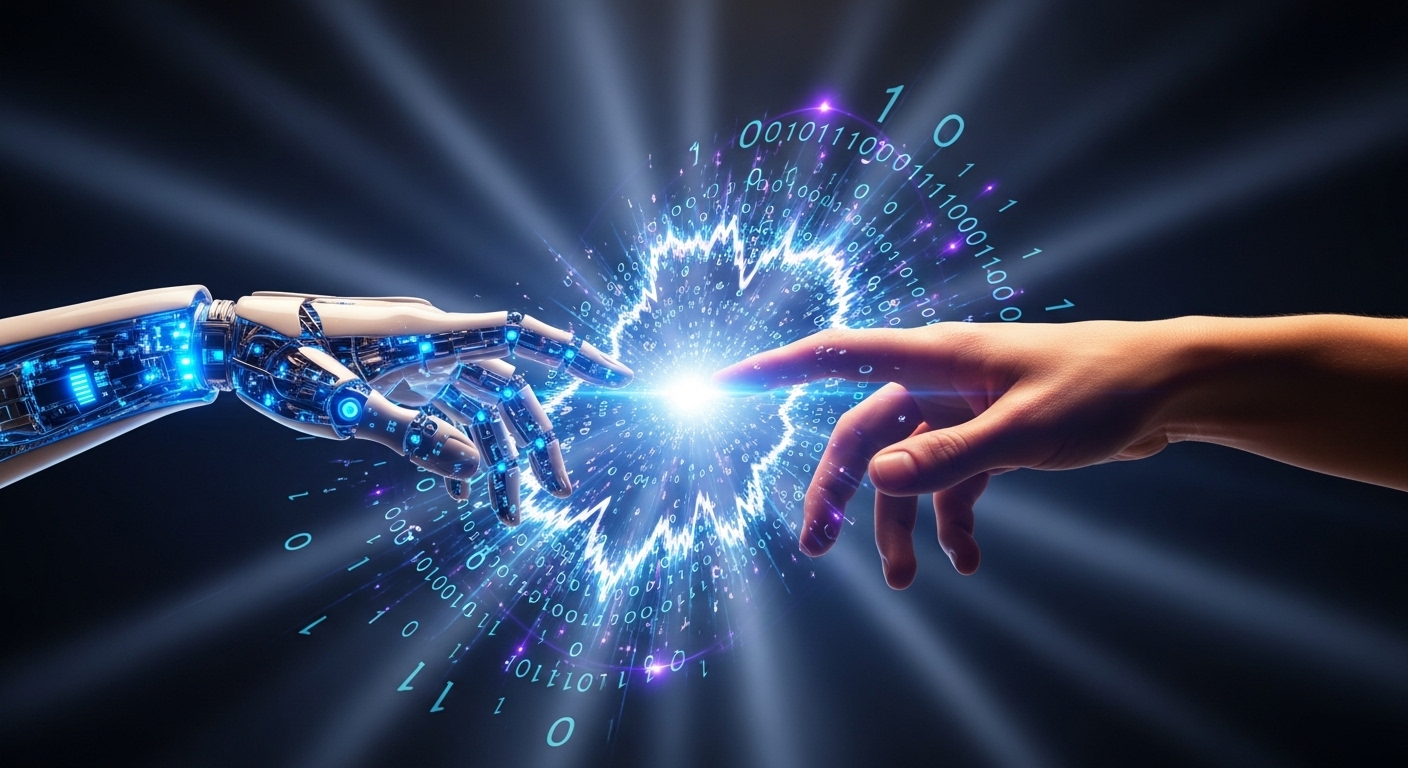
Technology is no longer just a tool—it’s becoming an integral part of human identity. From wearable devices that monitor health to brain-computer interfaces that merge thought with action, the boundaries between humans and machines are blurring.
Virtual Reality (VR) and Augmented Reality (AR) are redefining entertainment, education, and work by blending the physical and digital worlds. Meanwhile, advances in biotechnology promise to extend human lifespan and enhance capabilities.
In the future, the line between human and machine intelligence may become increasingly indistinct, creating both incredible opportunities and profound ethical dilemmas.
Ethical and Social Implications
With great power comes great responsibility. The rapid pace of technological change has outstripped the ability of laws and ethics to keep up. Issues like data privacy, algorithmic bias, and digital addiction are growing concerns.
AI systems can inadvertently reflect human prejudices, leading to unfair outcomes in hiring, law enforcement, and finance. Social media algorithms can influence public opinion and political discourse.
Therefore, the future of technology must include robust ethical frameworks that prioritize human dignity, fairness, and accountability.
Conclusion: Humanity and the Tech Horizon
Technology is more than machines, codes, or devices—it’s the story of human imagination and progress. From the first spark of fire to intelligent machines capable of learning, every innovation reflects our desire to explore, improve, and transcend limits.
The journey of technology is far from over. We are now at the threshold of an age defined by artificial intelligence, quantum computing, and sustainable innovation. The choices we make today will determine whether technology remains a tool for empowerment or becomes a challenge to our very humanity.
The future will be shaped not only by what technology can do but by what we decide it should do. As we move forward, one thing remains certain: technology will continue to be the mirror of human ambition—ever evolving, ever expanding, and ever transforming the world we call home.