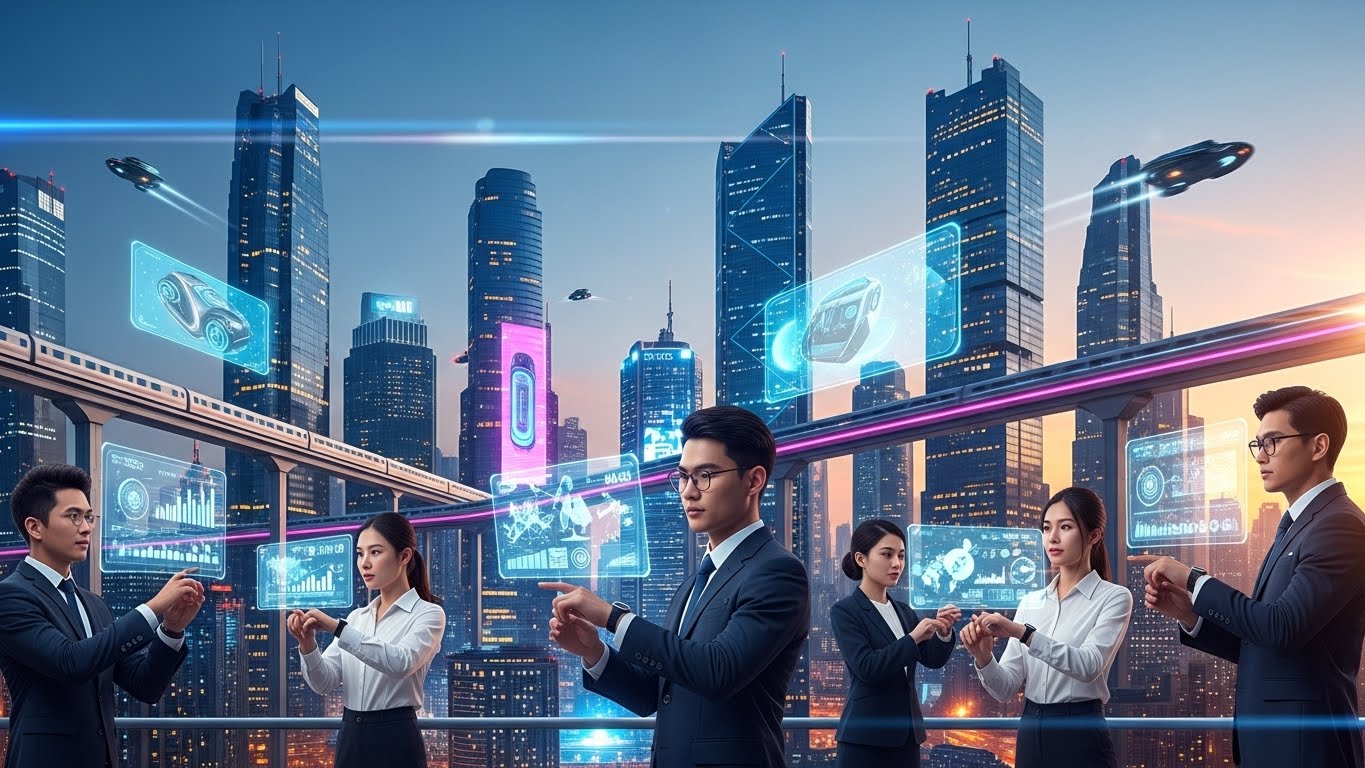





Introduction to the Digital Age
Technology is woven into the fabric of our daily lives, influencing every decision we make and every interaction we have. The modern world is built upon a foundation of innovation that has evolved through centuries of curiosity, invention, and transformation. Today, the term technology encompasses everything from artificial intelligence and quantum computing to smartphones and wearable devices. As we stand in the midst of the digital age, understanding how technology reached this point and how it continues to reshape our world is more important than ever. The journey from simple mechanical tools to complex smart ecosystems reveals not just human ingenuity but also our constant pursuit of improvement and connection.
From Early Tools to Industrial Machines
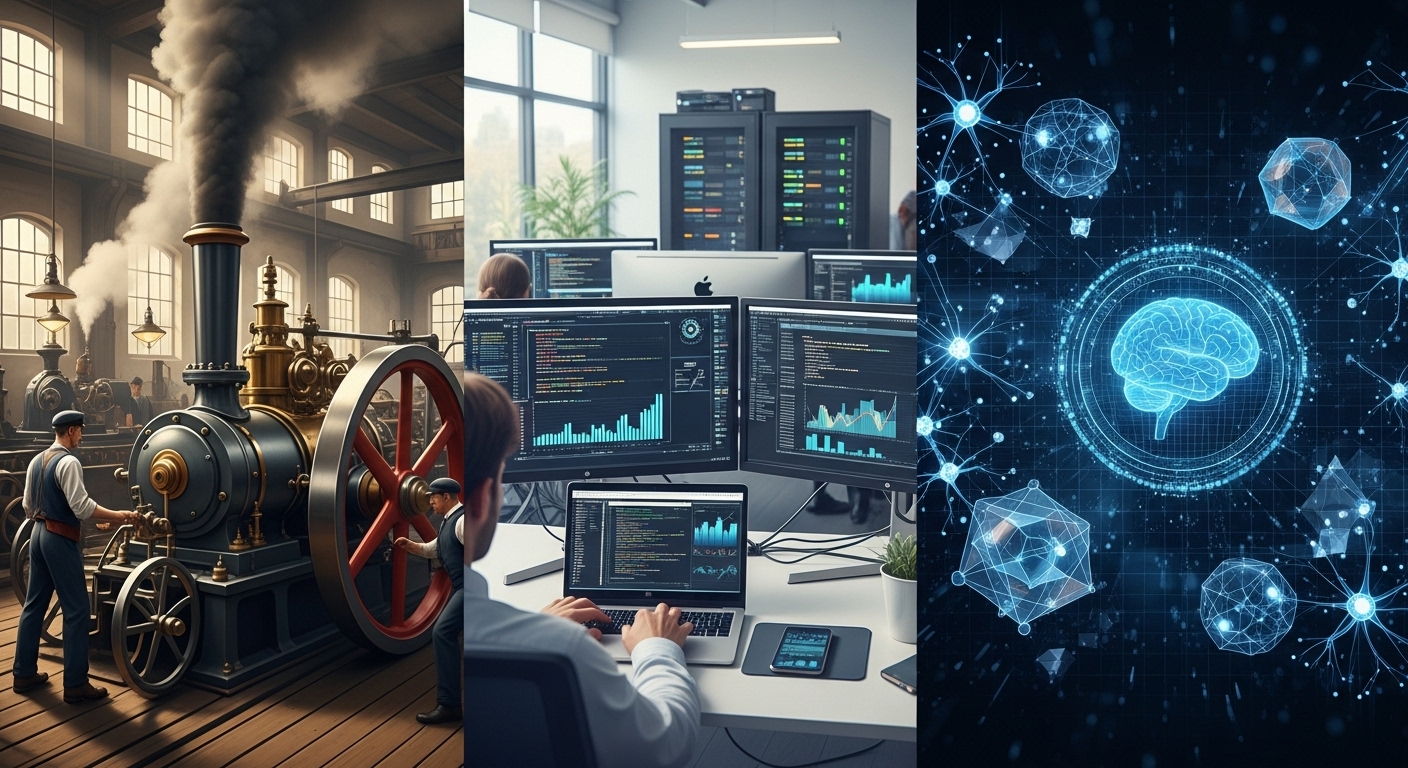
Technology is not a modern concept. Early humans used stones and bones to create tools that helped them hunt, build, and survive. These primitive inventions paved the way for future developments. The discovery of fire, the invention of the wheel, and the creation of simple machines like pulleys and levers were milestones that propelled civilization forward. But the most dramatic transformation began in the eighteenth century with the Industrial Revolution. Steam engines, textile machines, and mechanized production changed the way goods were produced. Industries grew rapidly, cities expanded, and labor shifted from farms to factories. Technology was no longer limited to survival; it was now central to progress.
Rise of Electricity and Communication Technologies
The nineteenth century brought a new wave of breakthroughs. Electricity became a driving force behind innovation. With the invention of the electric light bulb, people could work and live beyond daylight hours. Communication technologies also evolved rapidly. The telegraph allowed messages to be transmitted across long distances within minutes. Soon after, the telephone enabled voice communication, shrinking the world by connecting people like never before. These inventions laid the groundwork for the interconnected world we live in today.
Birth of Computers and the Information Age
The twentieth century marked the birth of computers, machines that could perform complex calculations at unimaginable speeds. Early computers were massive, occupying entire rooms, and were primarily used by governments and research institutions. Over time, computers became smaller, faster, and more accessible. The invention of the microprocessor in the 1970s revolutionized computing, leading to the development of personal computers. This expanded access to technology brought computing power into homes, schools, and offices. The information age had begun, characterized by the rapid production, storage, and sharing of data.
The Internet Revolution
One of the most significant technological breakthroughs in human history is the creation of the internet. Initially developed for military and academic purposes, the internet soon became a global platform for communication, information sharing, and commerce. It transformed the way people interact, learn, and work. Email replaced traditional letters, and websites became digital spaces for businesses, education, and entertainment. As internet speeds improved, more services became available online. This marked the rise of e-commerce, online banking, digital news, and streaming entertainment.
Mobile Technology and the Smartphone Era
The invention of smartphones changed the world yet again. These devices combined the power of computers with the connectivity of the internet, all in a compact and portable form. People could now access information, communicate with others, and perform a wide range of tasks anytime and anywhere. Smartphones became an extension of human identity, offering personalized experiences through apps, cameras, and voice-controlled assistants. Mobile technology also led to the growth of social media platforms, reshaping how people share their lives and interact with the global community.
Artificial Intelligence and Machine Learning
Artificial intelligence is no longer a futuristic concept found only in science fiction. It is a reality that powers many of the technologies we use daily. AI systems can analyze large amounts of data, recognize patterns, and make decisions with minimal human intervention. Machine learning, a branch of AI, enables computers to learn from data and improve over time. AI is used in voice assistants, recommendation systems, navigation apps, and even medical diagnosis tools. It helps businesses optimize operations, detect fraud, and personalize customer experiences. However, as AI becomes more powerful, it also raises ethical concerns about privacy, bias, and job displacement.
Cloud Computing and the Power of Data
Cloud computing has transformed how data is stored and accessed. Instead of relying on local devices, data can be stored in remote servers and accessed through the internet. This allows individuals and businesses to store vast amounts of information without worrying about hardware limitations. Cloud computing supports essential services like file sharing, email, video conferencing, and online gaming. It also plays a crucial role in the development of AI and big data analytics by providing scalable computing power. Data has become one of the most valuable resources in the world, often referred to as the new oil.
Cybersecurity and the Need for Digital Protection
As technology advances, so do the threats that come with it. Cybersecurity is the practice of protecting digital systems, networks, and data from unauthorized access and attacks. Cybercrimes such as hacking, identity theft, ransomware, and phishing have become major concerns. Individuals, businesses, and governments invest heavily in security software, encryption, and training to protect sensitive information. The challenge is to stay ahead of cybercriminals who constantly develop new tactics. Cybersecurity is now a critical field that ensures the safety and reliability of digital technologies.
Social Media and Digital Culture
Social media platforms have transformed how people communicate and consume content. Users can share photos, videos, and thoughts with a global audience in seconds. Social media has become a powerful tool for marketing, influencing opinions, and spreading awareness. It has also given rise to digital culture, where trends, memes, and online communities shape modern identity. However, social media also presents challenges such as misinformation, cyberbullying, and addiction. Balancing its benefits and drawbacks is a key issue in today’s digital society.
Wearable Technology and Smart Devices
Wearable devices such as smartwatches, fitness trackers, and smart glasses have become increasingly popular. These gadgets monitor health, track physical activity, and provide notifications. They connect with smartphones and other devices to create a seamless digital ecosystem. Smart homes equipped with intelligent appliances, voice assistants, and automated systems offer convenience and efficiency. Wearable and smart technologies are part of the growing trend of the Internet of Things, where everyday objects are connected to the internet and can communicate with each other.
The Role of Robotics and Automation
Robotics and automation are reshaping industries by improving efficiency and reducing human labor. Robots are used in manufacturing to perform repetitive and precise tasks. In healthcare, robotic surgery systems assist doctors in performing delicate procedures. Automation is also used in agriculture, logistics, and customer service. Self-driving cars, guided by sensors and AI, are being tested worldwide and may soon become a part of daily life. While robotics and automation bring many benefits, they also raise concerns about job loss and the future of work.
Virtual Reality and Augmented Reality
Virtual reality and augmented reality are immersive technologies that blend digital and physical worlds. VR allows users to enter fully digital environments using headsets, while AR overlays digital elements onto the real world through devices like smartphones. These technologies are used in gaming, education, training, and design. VR can simulate dangerous situations for training purposes, and AR can help mechanics repair machines by showing digital instructions. As VR and AR continue to improve, they are expected to play a larger role in entertainment, communication, and learning.
Blockchain and Digital Currencies
Blockchain is a secure and decentralized technology used to record transactions across multiple computers. It ensures transparency and prevents tampering. The most well-known application of blockchain is digital currencies. These currencies offer an alternative to traditional banking systems and allow peer-to-peer transactions without intermediaries. Beyond currencies, blockchain is being explored for supply chain management, voting systems, and digital identity verification. It promises increased trust and efficiency, though it also faces regulatory and environmental challenges.