





Introduction: Technology as a Catalyst for Change
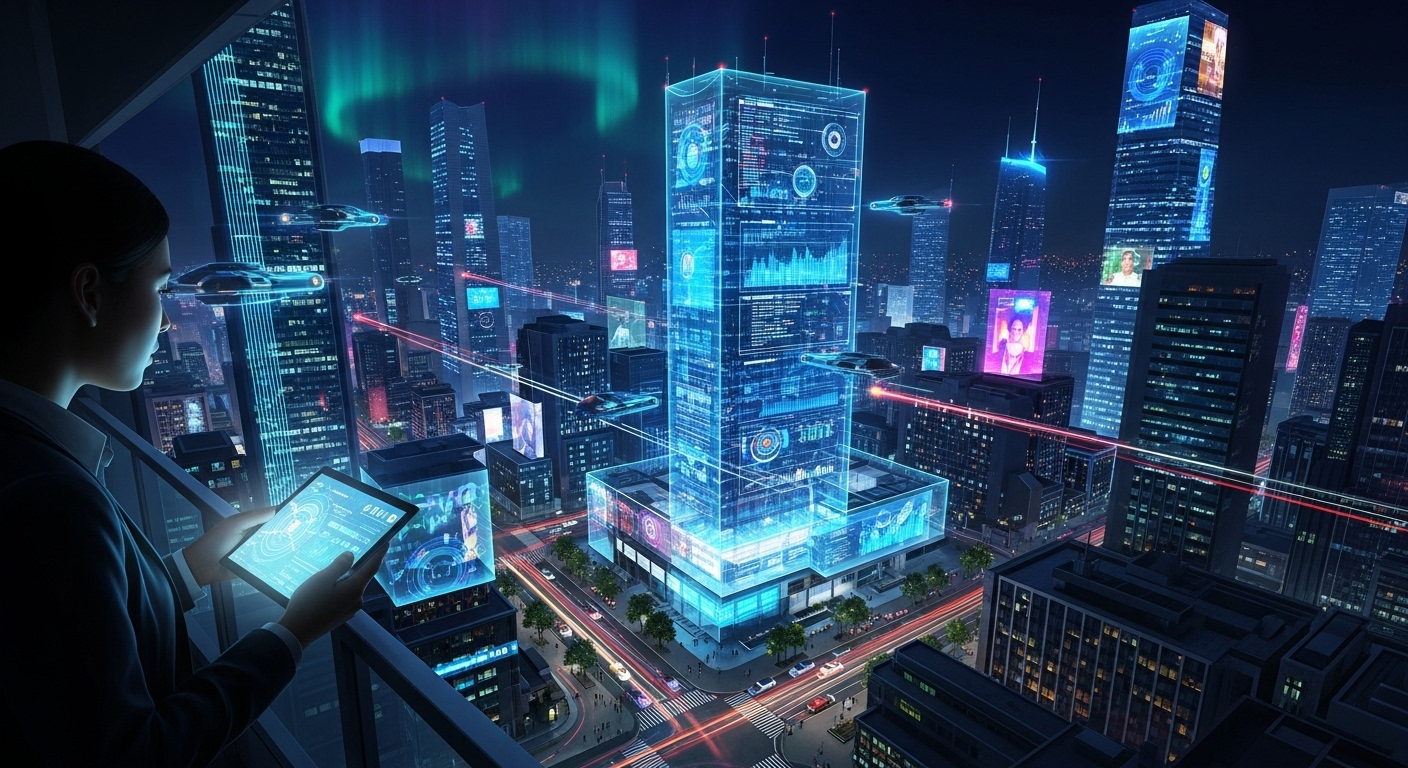
Technology has become the backbone of modern society, influencing almost every aspect of human life. From communication and healthcare to entertainment and transportation, technological innovations continue to redefine the way we live and work. As we look toward the next decade, the pace of advancement is expected to accelerate, bringing both opportunities and challenges. This blog explores the key technological trends that are shaping the future and how they may impact our daily lives.
Artificial Intelligence: Redefining Intelligence
Artificial intelligence (AI) is no longer a concept limited to science fiction. Today, AI is driving breakthroughs across multiple industries. Machine learning algorithms analyze vast amounts of data to identify patterns, make predictions, and improve decision-making. AI-powered applications are revolutionizing healthcare by enabling faster and more accurate diagnoses, personalized treatment plans, and predictive health monitoring. In finance, AI enhances fraud detection and algorithmic trading, while in customer service, chatbots and virtual assistants are providing instant support.
The future of AI promises even greater integration into everyday life. From autonomous vehicles to smart home systems that anticipate our needs, AI is becoming increasingly intuitive. However, ethical considerations, such as data privacy, algorithmic bias, and job displacement, must be addressed to ensure responsible adoption.
The Internet of Things: A Connected World
The Internet of Things (IoT) is transforming ordinary objects into intelligent devices capable of collecting and exchanging data. From smart thermostats and wearable fitness trackers to industrial sensors and smart cities, IoT devices provide insights that drive efficiency and convenience. In agriculture, IoT sensors monitor soil health and crop conditions, optimizing yields while minimizing resource usage. In urban environments, connected traffic lights and parking systems help reduce congestion and improve energy efficiency.
The expansion of IoT raises important questions about data security and interoperability. As billions of devices become interconnected, ensuring secure communication and protecting sensitive information will be crucial. Nevertheless, the potential for a fully connected ecosystem where devices work seamlessly together is immense, promising to make everyday life smarter and more sustainable.
Blockchain Technology: Beyond Cryptocurrency
Blockchain is often associated with cryptocurrencies like Bitcoin, but its applications extend far beyond digital money. At its core, blockchain is a decentralized ledger that records transactions transparently and securely. This technology is revolutionizing industries such as supply chain management, healthcare, and finance. For instance, blockchain enables traceability of products from origin to consumer, ensuring authenticity and reducing fraud. In healthcare, it allows secure sharing of medical records across institutions while maintaining patient privacy.
The future of blockchain involves broader adoption in areas like voting systems, digital identity verification, and decentralized applications. By eliminating the need for intermediaries, blockchain has the potential to make processes more efficient, transparent, and trustworthy. As the technology matures, regulatory frameworks will play a crucial role in balancing innovation with safety and compliance.
Augmented Reality and Virtual Reality: Bridging the Physical and Digital Worlds
Augmented reality (AR) and virtual reality (VR) are changing how we experience the world. AR overlays digital information onto the physical environment, enhancing how we interact with our surroundings. VR immerses users in entirely digital environments, offering new possibilities for gaming, training, education, and social interaction. Companies are leveraging AR to provide interactive shopping experiences, allowing customers to visualize products in their homes before making a purchase. In education, VR simulations create engaging learning environments, making complex subjects more accessible.
The future of AR and VR lies in creating seamless integration between physical and digital experiences. As hardware becomes more affordable and software more sophisticated, these technologies are poised to become a part of everyday life, transforming how we work, learn, and connect with one another.
5G and Beyond: The Next Generation of Connectivity
The rollout of 5G networks is set to revolutionize connectivity, providing faster speeds, lower latency, and greater capacity than previous generations. This technology is enabling real-time communication and supporting the growth of IoT, autonomous vehicles, and immersive media experiences. With 5G, applications that require instant data transfer, such as remote surgery or augmented reality collaboration, become feasible and reliable.
Looking ahead, the evolution beyond 5G, often referred to as 6G, promises even more transformative possibilities. Ultra-fast, low-latency networks could redefine how we interact with technology, making smart cities more responsive, transportation systems safer, and industrial automation more precise. As global connectivity improves, the digital divide may shrink, allowing broader access to information and opportunities worldwide.
Quantum Computing: Unlocking Unprecedented Power
Quantum computing is one of the most promising and complex frontiers of technology. Unlike classical computers that use bits to represent information as 0s or 1s, quantum computers use qubits, which can exist in multiple states simultaneously. This property allows quantum computers to solve problems that are practically impossible for traditional computers, such as simulating complex chemical reactions, optimizing large-scale logistics, or breaking certain encryption algorithms.
While still in the early stages, quantum computing has the potential to revolutionize industries such as pharmaceuticals, materials science, and finance. As researchers overcome challenges related to stability and error correction, quantum computing may unlock solutions to some of the world’s most pressing problems, driving innovation at an unprecedented scale.
Sustainable Technology: Green Tech for a Better Future
As technology advances, sustainability has become a central concern. Green technology focuses on minimizing environmental impact while maximizing efficiency. Innovations in renewable energy, energy storage, and smart grids are helping reduce dependence on fossil fuels. Electric vehicles and battery technologies are transforming transportation, while AI and IoT optimize energy consumption in homes and industries.
The integration of sustainable practices into technology development is not just environmentally responsible; it also offers economic advantages. Companies investing in green tech can reduce operational costs, comply with regulations, and appeal to increasingly eco-conscious consumers. The future of technology will increasingly be defined by its ability to balance innovation with environmental stewardship.
Cybersecurity: Protecting the Digital Frontier
As digital technologies become more pervasive, cybersecurity emerges as a critical priority. Cyber threats, ranging from data breaches and ransomware attacks to identity theft, pose significant risks to individuals, businesses, and governments. Advanced security solutions leveraging AI, machine learning, and blockchain are helping detect and mitigate these threats in real time.
The future of cybersecurity involves proactive strategies that anticipate potential vulnerabilities rather than react to incidents. With the increasing adoption of IoT, cloud computing, and remote work, robust security measures are essential to protect sensitive data and maintain trust. A strong cybersecurity infrastructure is not just a technical requirement; it is a cornerstone of the digital economy.
The Human Element: Technology and Society
While technology evolves rapidly, its ultimate impact depends on how humans interact with it. Ethical considerations, privacy concerns, and social implications must guide the development and deployment of new technologies. Education and digital literacy are critical to ensure that people can navigate a technology-driven world safely and effectively. Moreover, technology has the potential to enhance inclusivity, providing access to information, education, and services for underserved populations.
The future of technology is not merely about machines and algorithms; it is about enhancing human capabilities, solving societal challenges, and improving quality of life. Balancing innovation with responsibility will be key to ensuring that technological progress benefits everyone.
Conclusion: Embracing the Technological Future
The coming decade promises a technological landscape that is both exciting and transformative. From AI and IoT to quantum computing and sustainable technology, innovations are set to redefine how we live, work, and connect. While challenges such as security, ethics, and environmental impact must be addressed, the potential for positive change is enormous.
As individuals, businesses, and societies, embracing technology thoughtfully and responsibly will be essential. By staying informed, adapting to new tools, and fostering innovation, we can harness the power of technology to create a future that is smarter, more connected, and more sustainable. The next decade is not just about technological advancement; it is about shaping a world where technology serves humanity in meaningful and impactful ways.