




Introduction
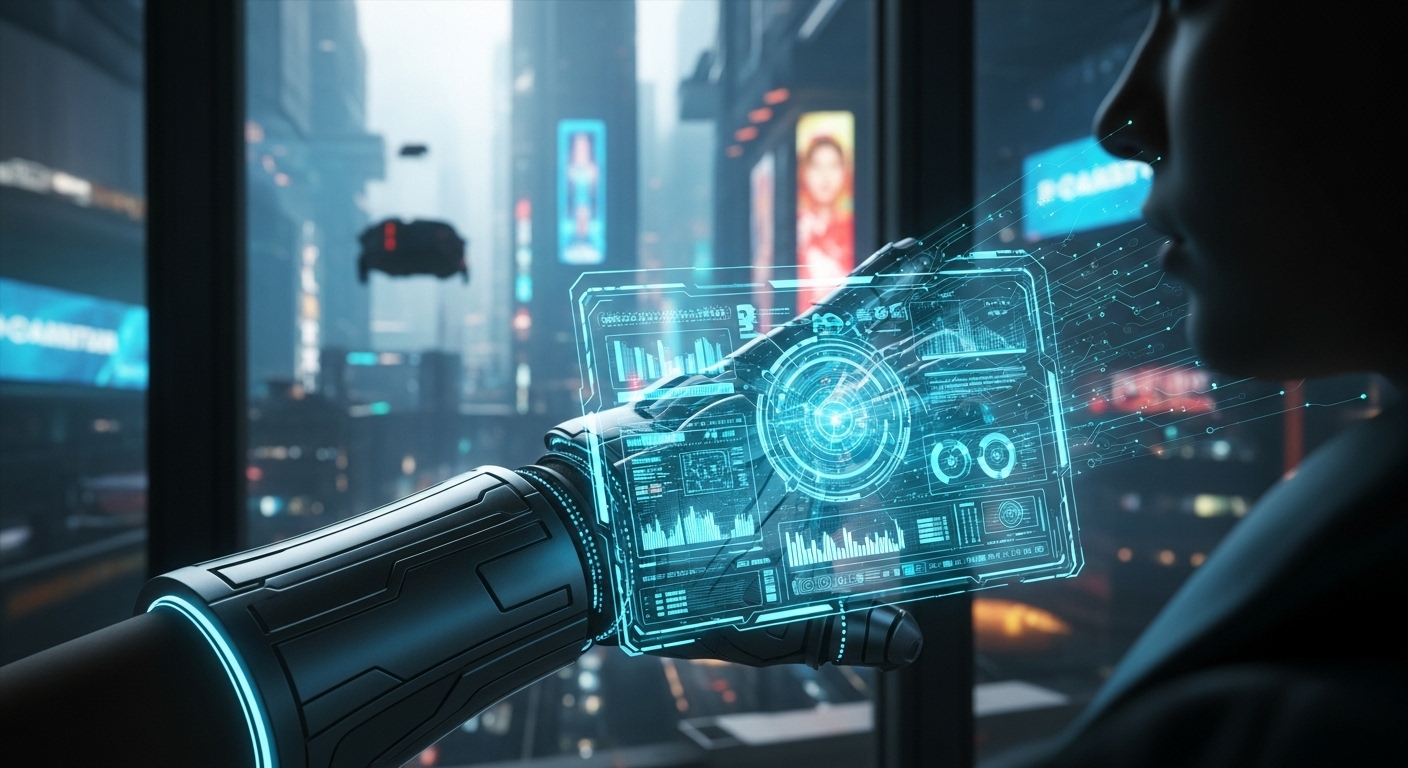
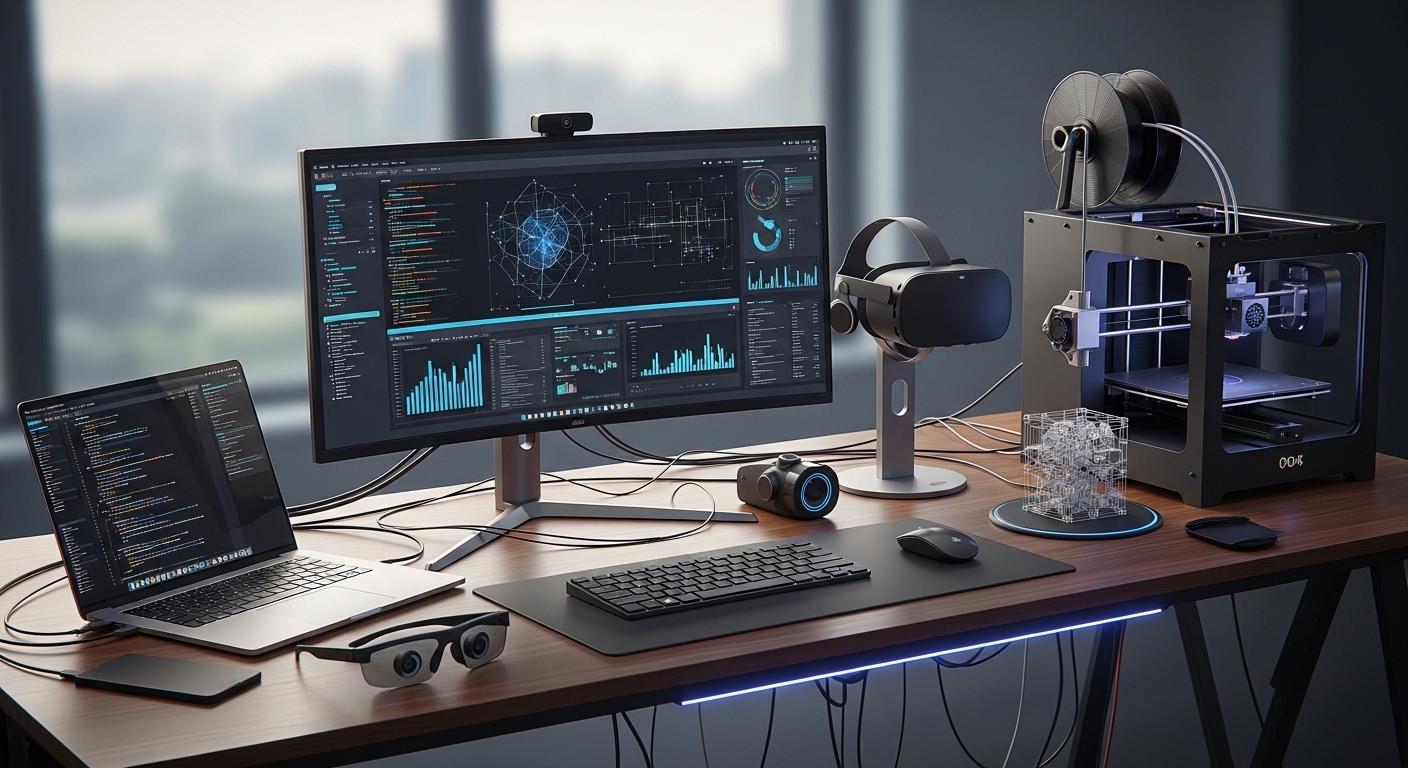
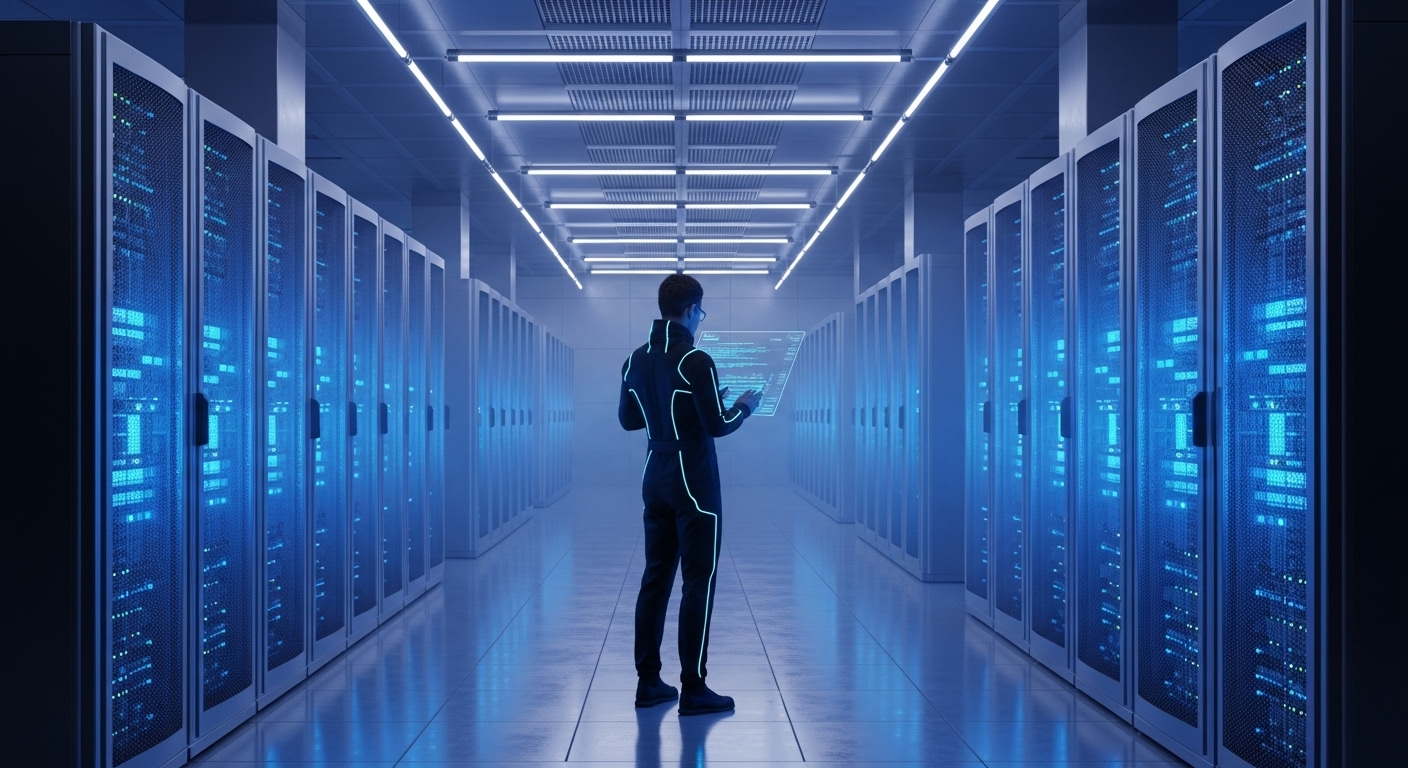
Technology has always been the driving force behind human evolution. From the invention of the wheel to the creation of artificial intelligence, every breakthrough has changed the way we live, work, and connect. Today, we stand at the edge of a digital revolution where innovation is not just transforming industries but reshaping the very fabric of society. The pace at which technology is advancing is astonishing, and its impact on everyday life is undeniable. This blog explores how modern technologies such as artificial intelligence, the Internet of Things, blockchain, robotics, and virtual reality are redefining human experiences in ways that were once unimaginable.
The Rise of Artificial Intelligence
Artificial intelligence, or AI, has become the heartbeat of the modern technological landscape. What started as a simple concept of machines mimicking human intelligence has evolved into a sophisticated ecosystem that powers everything from smartphones to space exploration. AI algorithms can now analyze enormous data sets, recognize patterns, and make predictions faster and more accurately than ever before.
In healthcare, AI is diagnosing diseases with precision, enabling doctors to make better treatment decisions. In education, it is personalizing learning experiences for students, adapting lessons to suit individual strengths and weaknesses. Businesses are using AI to enhance customer service, streamline operations, and improve decision-making through predictive analytics. Even creative fields such as music and art are seeing AI as a collaborator, generating original compositions and paintings that blur the line between human and machine creativity.
However, as AI continues to grow, ethical considerations are becoming increasingly important. Questions about data privacy, job automation, and algorithmic bias need careful attention to ensure that technological progress benefits everyone rather than a select few.
The Internet of Things and a Connected World
The Internet of Things, or IoT, is quietly transforming the world into a giant network of connected devices. Everyday objects, from refrigerators to traffic lights, are now equipped with sensors and internet connectivity, allowing them to communicate and share data. This connectivity has made cities smarter, homes more efficient, and industries more productive.
In smart homes, IoT devices help regulate temperature, monitor energy usage, and even remind us when it is time to restock groceries. Smart cities are using connected infrastructure to manage traffic flow, reduce pollution, and improve public safety. In agriculture, IoT sensors monitor soil quality, weather patterns, and crop health, helping farmers optimize yield and minimize waste.
The true power of IoT lies in the data it generates. When analyzed effectively, this data offers valuable insights that drive innovation and efficiency. Yet, with this connectivity comes the challenge of cybersecurity. Protecting millions of connected devices from digital threats is now a top priority to prevent misuse and safeguard privacy.
Blockchain Beyond Cryptocurrency
While blockchain technology is often associated with cryptocurrencies like Bitcoin, its potential extends far beyond digital money. Blockchain is essentially a decentralized ledger system that ensures transparency, security, and immutability of data. This makes it a powerful tool for industries that rely on trust and verification.
In finance, blockchain enables faster, more secure transactions without intermediaries. In supply chain management, it tracks products from origin to delivery, ensuring authenticity and reducing fraud. Healthcare systems use blockchain to manage patient records securely, while governments explore its potential in voting systems to ensure fairness and transparency.
The beauty of blockchain lies in its trustless nature. It removes the need for middlemen and ensures that data cannot be altered once recorded. As more industries adopt blockchain, we can expect to see a world where transparency and accountability become the norm rather than the exception.
The Age of Robotics and Automation
Robotics has evolved from simple mechanical tools into intelligent machines capable of performing complex tasks. From manufacturing plants to hospitals, robots are enhancing productivity, safety, and precision. Industrial robots are streamlining production lines, while service robots are assisting in restaurants, hospitals, and homes.
In the medical field, robotic surgery systems enable doctors to perform delicate procedures with unmatched precision. Autonomous drones are being used for deliveries, environmental monitoring, and disaster response. In agriculture, robotic systems are helping plant, harvest, and maintain crops, reducing manual labor and increasing efficiency.
While automation brings many advantages, it also raises concerns about the future of employment. As machines take over repetitive tasks, humans must adapt by acquiring new skills that complement technology. The future workforce will likely be a blend of human creativity and machine efficiency working together harmoniously.
Virtual and Augmented Reality: Blurring the Lines Between Real and Digital
Virtual reality (VR) and augmented reality (AR) are changing the way people experience the world. VR immerses users in fully digital environments, while AR overlays digital information on the real world. Together, they are redefining entertainment, education, training, and communication.
In gaming and entertainment, VR allows players to step inside their favorite worlds, experiencing stories firsthand rather than just watching them. AR enhances live events, museums, and retail experiences by adding layers of interactive information. In education, students can explore historical sites or conduct virtual science experiments, making learning immersive and engaging.
Businesses are using VR and AR for employee training, reducing costs and risks associated with real-world practice. Architects and designers use these technologies to visualize projects before construction even begins. As VR and AR become more accessible, the boundary between the physical and digital worlds will continue to fade, creating new opportunities for creativity and collaboration.
Quantum Computing and the Next Frontier
Quantum computing represents the next major leap in computational power. Unlike classical computers that process data in bits, quantum computers use qubits, which can exist in multiple states simultaneously. This allows them to solve complex problems that traditional computers cannot handle.
Industries such as pharmaceuticals, finance, and climate science stand to benefit greatly from quantum computing. It could accelerate drug discovery, improve financial modeling, and simulate environmental systems to find solutions for climate change. While still in its early stages, quantum computing holds the promise of transforming how we process information, making what once seemed impossible entirely achievable.
The Ethical Dimension of Technology
As technology continues to evolve, ethical considerations become more critical. Data privacy, digital addiction, and misinformation are among the biggest challenges of the digital age. The widespread use of AI and data-driven systems has raised questions about how much personal information should be collected and who controls it.
Furthermore, the rapid advancement of automation and AI may lead to economic inequality if societies do not adapt. Ensuring that technological benefits are distributed fairly is essential for maintaining balance. Technology should serve humanity, not dominate it. Governments, organizations, and individuals must work together to create policies that ensure responsible innovation and protect human values in the digital world.
Sustainability Through Technology
Technology is not only changing lifestyles but also offering solutions to global challenges such as climate change and resource scarcity. Renewable energy technologies, smart grids, and energy-efficient systems are helping reduce carbon emissions and preserve natural resources.
Innovations like 3D printing are minimizing waste in manufacturing, while advancements in biotechnology are improving crop yields and reducing the need for harmful chemicals. Smart transportation systems and electric vehicles are revolutionizing mobility, making it cleaner and more sustainable.
Sustainability has become a central goal for tech companies worldwide. The fusion of innovation and environmental awareness is paving the way for a greener and more resilient planet.
The Future of Human and Machine Collaboration
The future will not be about humans versus machines but about humans working with machines. Collaboration between artificial and human intelligence can unlock unimaginable possibilities. Machines can handle data-heavy tasks, while humans bring creativity, empathy, and ethical judgment.
In workplaces, AI will act as a co-worker that supports decision-making rather than replacing humans. In creative fields, artists and engineers will continue to explore how technology can amplify imagination. The goal should be to design technology that complements human strengths and uplifts societies.
Conclusion
The world of technology is moving faster than ever before, and its influence on our lives continues to expand. From artificial intelligence to quantum computing, each advancement carries the potential to reshape industries, economies, and societies. But as we embrace these innovations, we must also ensure that progress aligns with humanity’s best interests.
The silent revolution of technology is not just about smarter machines but about building a smarter world. It is about using innovation to create connections, solve problems, and empower individuals. The key to a bright technological future lies not only in invention but also in responsibility, ethics, and human-centered design.
As we move forward into this era of digital transformation, one truth remains constant: technology will continue to evolve, but it is up to humanity to guide its course. The balance between innovation and ethics will determine whether the future becomes a world of harmony or chaos. With wisdom, collaboration, and vision, the silent revolution of technology can lead us to a future that is not just advanced but also deeply humane.