



Introduction
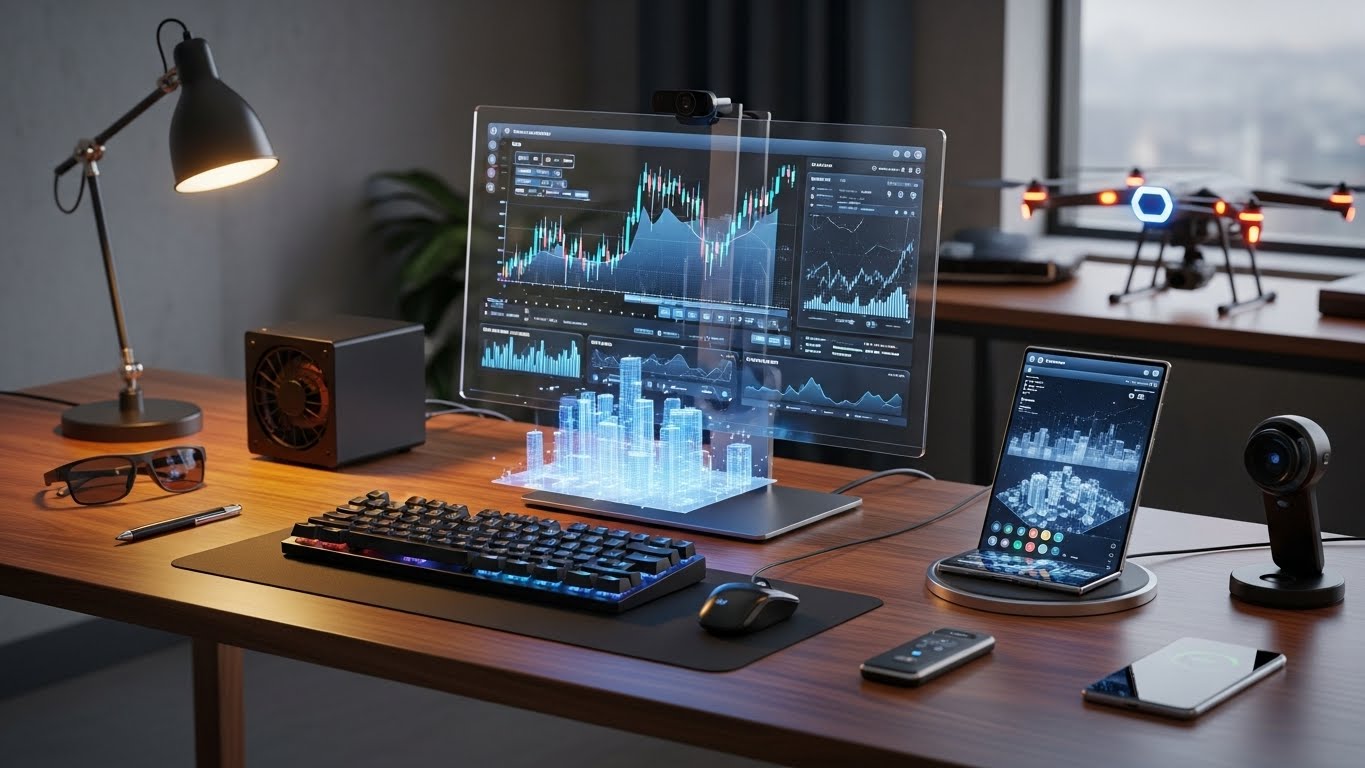
Technology often announces itself with grand launches, flashy advertisements and bold predictions. Yet the deepest transformations rarely arrive with noise. They slip quietly into daily life until suddenly entire routines, industries and expectations have changed. Today we stand in the middle of this silent revolution. Devices that once seemed futuristic have become ordinary, software that once demanded expert knowledge is now usable by children and systems that once required massive infrastructure now fit in our pockets. This blog explores how modern technology is reshaping the world in subtle yet powerful ways, influencing how we work, communicate, learn and imagine the future.
The Rise of Invisible Computing
A major shift in recent years is the move from visible, attention-demanding devices to technology that blends into everyday environments. Smart assistants respond to voice queries without keyboards or screens. Sensors in homes adjust lighting and temperature based on habits. Even wearable devices have minimized designs that hide powerful computing. This trend toward invisible computing is not about making technology disappear entirely but about making its interaction natural and effortless. Users no longer think about the mechanics behind a service; they simply experience the result. This quiet presence is leading to more intuitive and personalized experiences, shaping a world where technology adapts to people, not the other way around.
Automation in Daily Life
Automation used to be associated mainly with factories and industrial machines. Today it is part of personal life as much as professional life. Automatic bill payments, intelligent grocery lists, smart home cleaning devices and predictive suggestions in apps all reduce the cognitive load of daily tasks. These advancements free time and mental energy for activities that truly matter. However, automation also calls for thoughtful responsibility. Users must understand the settings and boundaries of the systems they rely on, ensuring convenience never compromises control. As automation becomes even more capable, balancing ease with awareness will be essential.
The Blending of Physical and Digital Spaces
Another subtle but significant development is the fusion of physical and digital experiences. Augmented reality overlays information onto real spaces, enabling interactive learning, immersive entertainment and enhanced navigation. Digital platforms simulate real-world scenarios for training, collaboration and design, reducing costs and increasing safety. Even shopping experiences have transformed, with virtual try-ons and smart product recommendations guiding decisions. This blending of spaces creates richer engagement while expanding the possibilities of creativity. It also raises important questions about digital etiquette, content authenticity and the boundaries between personal and public spaces.
Work Reimagined Through Tech
Technology has redefined the workplace more dramatically than almost any other part of life. Remote work tools, cloud collaboration systems and virtual meeting platforms allow teams to function effectively across continents. Artificial intelligence assists with scheduling, data analysis and project management. For many employees, the workday is now a combination of digital workflows and real-world interactions. This shift has created new opportunities for flexibility and productivity but also new challenges. Workers must learn to manage digital fatigue, maintain work-life boundaries and develop skills that match an evolving landscape. Workplaces of the future will likely prioritize adaptability, continuous learning and empathy alongside technical talent.
Education Beyond Traditional Classrooms
Modern technology has reshaped education with equal force. Students now access personalized learning paths, immersive simulations and real-time feedback through digital tools. Online courses make advanced knowledge accessible anywhere, while gamified learning encourages deeper engagement. Teachers can track progress with analytic dashboards, tailoring support to individual needs. Despite these advantages, technology in education must remain purposeful. The goal is to enhance learning rather than replace human mentorship. Effective education blends the strengths of both worlds, using digital tools to empower curiosity and human guidance to inspire growth.
The Evolution of Personal Creativity
Creativity used to require specialized tools, expensive equipment or formal training. Today, accessible software enables anyone to produce music, design graphics, create videos or publish writing. Artificial intelligence can assist with brainstorming, editing and enhancing artistic process, sparking new forms of expression. This democratization of creativity is expanding cultural diversity by giving more people a voice. At the same time, it invites reflection on originality, copyright and the role of human imagination. The next era of creativity will likely be defined by collaboration between human ideas and digital capabilities.
Digital Health and Personal Well-Being
Health technology has moved far beyond fitness trackers. Modern systems monitor sleep patterns, heart activity, stress responses and nutrition habits with increasing accuracy. Telehealth services offer immediate medical guidance, while mental wellness apps provide support anywhere. These innovations promote proactive health management, helping individuals understand their bodies more clearly. With these benefits comes responsibility to ensure data privacy, ethical use and accessibility for all communities. As digital health tools become more sophisticated, integrating them wisely into daily life will be key to building healthier societies.
Sustainability Powered by Smart Technology
Environmental challenges are pushing innovators to rethink how technology can support sustainability. Smart grids optimize energy usage, reducing waste. Electric vehicles are becoming more efficient, supported by improved battery technologies. Agricultural tech uses sensors and data to increase crop yield with fewer resources. Sustainable materials and circular-design principles are influencing everything from packaging to consumer devices. Technology does not replace the need for responsible behavior, but it offers powerful tools to measure, improve and transform our impact on the planet.
Security in an Interconnected World
As systems grow smarter and more integrated, security becomes more complex. Devices connected to the same network can share data effortlessly but also introduce new vulnerabilities. Cybersecurity today extends beyond computers to phones, smart appliances, personal accounts and even vehicles. Protecting digital life requires a blend of strong passwords, multi-factor authentication, awareness of threats and regular updates. Developers must design systems that prioritize safety without complicating the user experience. A secure digital world depends not only on technology but also on educated and vigilant users.
The Ethical Dimension of Rapid Innovation
Rapid innovation offers immense potential but also introduces ethical considerations. Artificial intelligence can make decisions faster than humans but can also reflect biased data. Automation can increase efficiency but may displace workers if industries do not adapt responsibly. Data collection can personalize services but may infringe on privacy if mismanaged. As technology shapes the future, ethical frameworks must guide development. Transparency, fairness and accountability are essential to ensure progress benefits everyone. Societies must discuss, question and refine the role of technology in shaping values and daily life.
Conclusion
The silent revolution of technology is not defined by dramatic moments but by continuous, subtle changes that accumulate until the world looks different. Devices grow smarter, systems more seamless and experiences more interconnected. This transformation brings both convenience and complexity, opportunity and challenge. To thrive in a tech-driven future, individuals must embrace learning, maintain curiosity and stay mindful of the impact of the tools they use. Technology is not simply a collection of gadgets; it is the fabric that increasingly shapes how we live, work and dream. By engaging thoughtfully with this evolving landscape, we can ensure that the future it builds is not only advanced but also meaningful and human centered.