




Introduction
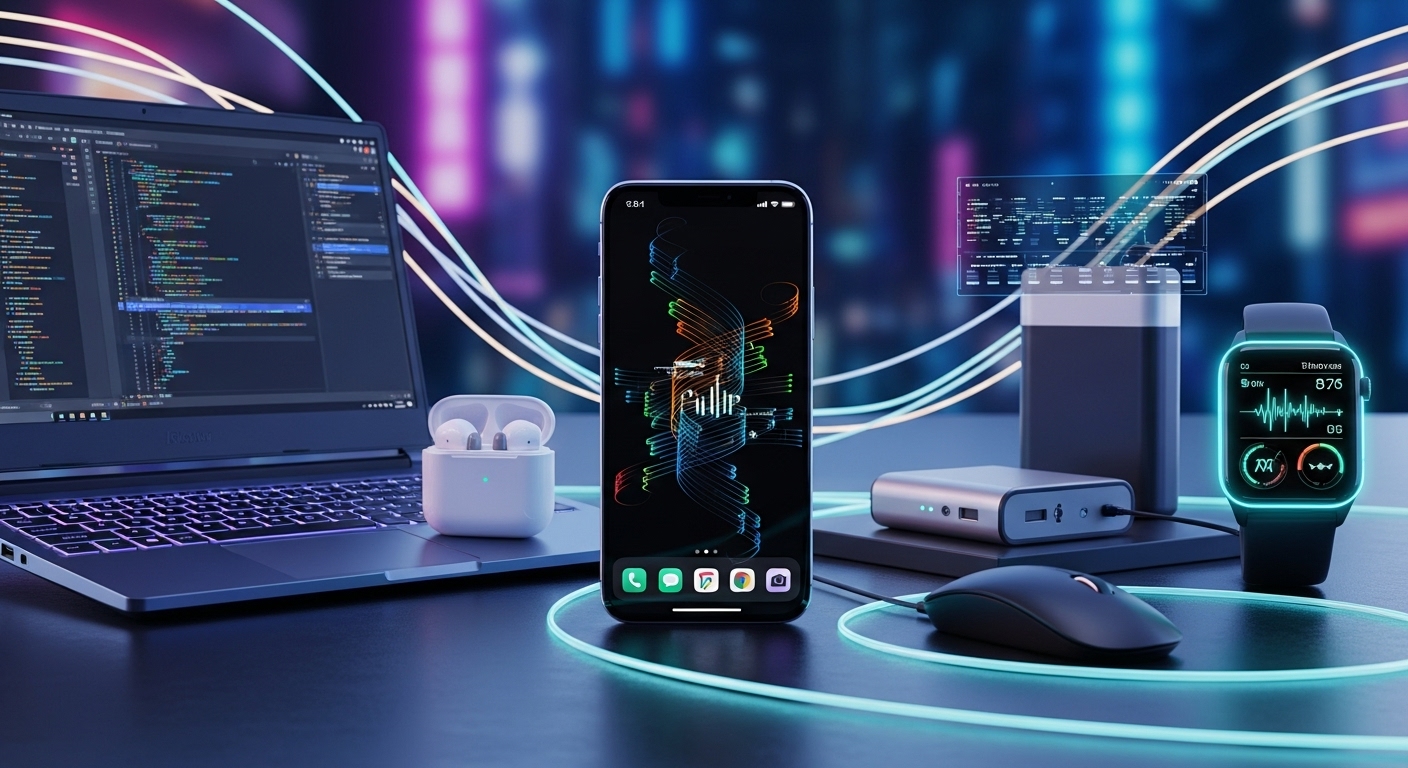
In today’s world, technology is not just an industry or a set of tools; it’s an omnipresent force shaping the way we work, live, learn, and even think. From the rise of artificial intelligence to the growth of the Internet of Things (IoT), technological advancements are revolutionizing every facet of human life. While these changes may sometimes seem invisible or incremental, their impact is profound and far-reaching. In this post, we explore how technology is transforming various sectors of society, the challenges that accompany these innovations, and what the future holds as we move forward into the next phase of technological evolution.
The Evolution of Technology
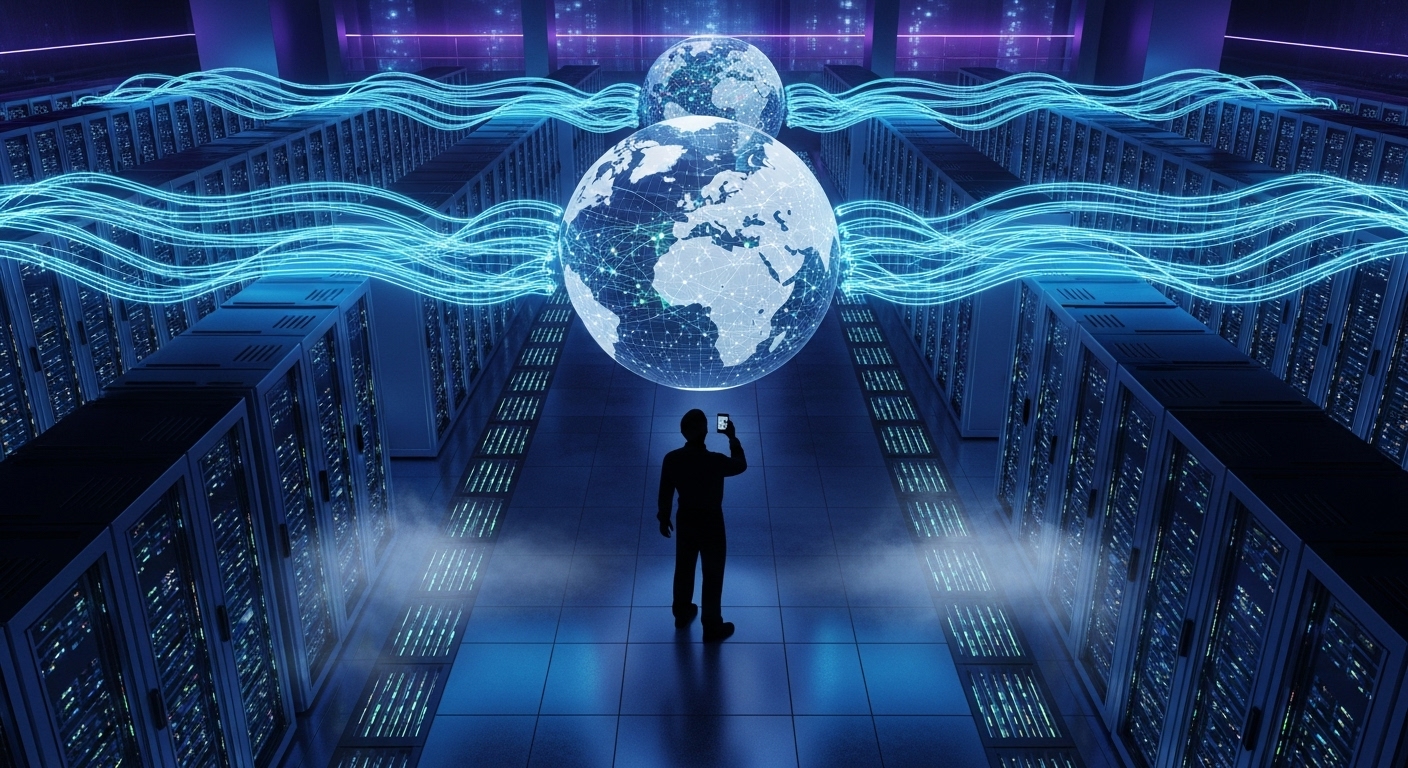
The story of technology is not one of sudden breakthroughs but rather a series of incremental advancements that build upon each other. The technological revolution began with simple tools, evolved through the Industrial Revolution, and has expanded exponentially in the digital age. Each major leap—from the invention of the steam engine to the advent of the personal computer—has fundamentally reshaped human civilization. Today, we are experiencing a convergence of technologies that seem to operate at lightning speed, from 5G networks to the rise of artificial intelligence (AI). This interconnectedness allows ideas to evolve faster than ever before, leading to rapid shifts in both industries and everyday life.
The Power of Artificial Intelligence
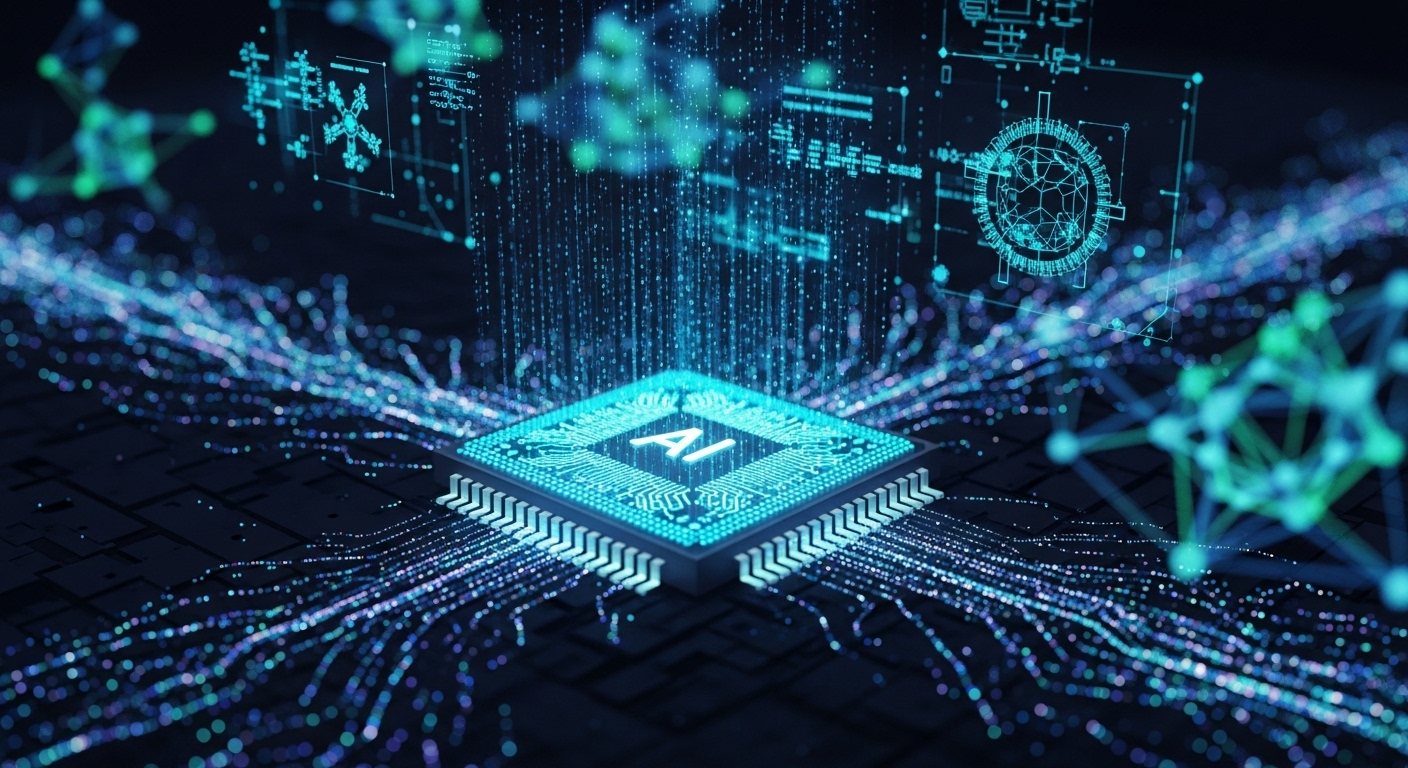
Perhaps one of the most disruptive technological advancements of recent years is artificial intelligence (AI). While AI has been a subject of science fiction for decades, it is now a reality with profound consequences. At its core, AI mimics human intelligence, learning from data, recognizing patterns, and making decisions. Machine learning, a subset of AI, allows systems to continuously improve based on experience, without needing explicit programming.
AI’s impact is already being felt in sectors such as healthcare, finance, and customer service. In healthcare, AI algorithms analyze medical images and assist in diagnosing diseases. In finance, AI models predict market trends and help with fraud detection. AI-powered chatbots and virtual assistants are revolutionizing customer service by providing 24/7 support. As AI continues to evolve, its potential to transform industries is limitless, leading to smarter systems, increased efficiency, and even the possibility of creating entirely new business models.
The Internet of Things (IoT): A World of Connectivity
The Internet of Things (IoT) refers to the growing network of physical objects—ranging from household appliances to industrial machinery—that are connected to the internet. Through sensors and software, these objects collect and exchange data, creating an intelligent ecosystem that can communicate and make decisions. The IoT is already becoming a part of everyday life, from smart thermostats and wearable fitness trackers to connected cars and factory equipment.
One of the key benefits of IoT is its ability to optimize systems for efficiency. Smart homes, for example, can automatically adjust heating and lighting based on occupancy and weather conditions, reducing energy consumption. In manufacturing, IoT sensors monitor equipment performance in real-time, predicting maintenance needs before they become critical. In healthcare, IoT devices enable remote monitoring of patients, allowing doctors to track vital signs and intervene when necessary. As the IoT continues to expand, it promises to revolutionize the way we interact with the world around us.
Blockchain: Decentralizing Trust and Security
Blockchain technology, initially associated with cryptocurrencies like Bitcoin, is increasingly being recognized for its potential to transform industries beyond finance. At its core, blockchain is a decentralized ledger that securely records transactions across multiple computers, making it nearly impossible to alter or hack. This technology has the potential to disrupt a wide range of industries, from supply chain management to voting systems.
In supply chain management, for instance, blockchain can track the journey of goods from manufacturer to consumer, ensuring authenticity and transparency. In healthcare, blockchain can be used to store patient records securely, allowing for more efficient data sharing among medical professionals while maintaining privacy. Additionally, blockchain’s role in securing transactions, whether in digital currencies or contract agreements, has made it a key component in industries where trust and security are paramount. As more industries explore blockchain’s capabilities, its impact will only continue to grow.
The Role of 5G: Speed, Connectivity, and Beyond
The roll-out of 5G technology represents a quantum leap in wireless communication. Compared to its predecessor, 4G, 5G promises faster speeds, lower latency, and more reliable connections. While these benefits will have a major impact on consumer experiences—such as faster mobile downloads and improved video streaming—5G’s true potential lies in its ability to support the growing network of connected devices.
5G will enable the rapid deployment of technologies like autonomous vehicles, which require near-instantaneous communication between cars, pedestrians, and infrastructure. In healthcare, 5G’s low latency could enable real-time remote surgeries, where a surgeon in one location controls robotic instruments in another. In manufacturing, 5G will allow for seamless communication between machines, enabling real-time adjustments and even the possibility of remote operation. As 5G becomes ubiquitous, it will open up new possibilities for innovation and efficiency.
The Transformation of Work and Automation
Technology is transforming the world of work, particularly in the realm of automation. Automation, driven by artificial intelligence and robotics, is changing the way tasks are performed across many industries. In manufacturing, robots have taken over repetitive and dangerous tasks, improving efficiency and safety. In logistics, automated warehouses and self-driving delivery vehicles are streamlining supply chains.
While automation raises concerns about job displacement, it also presents opportunities for workers to focus on higher-value tasks, such as creativity, strategy, and problem-solving. As automation takes over more manual and repetitive jobs, the demand for skilled workers in fields like data analysis, AI development, and cybersecurity will increase. Upskilling and reskilling initiatives will be essential to ensure workers are prepared for the changing job landscape.
Virtual and Augmented Reality: Reimagining Experiences
Virtual reality (VR) and augmented reality (AR) are technologies that are quickly gaining traction across industries. VR immerses users in fully digital environments, while AR overlays digital content onto the real world. Both technologies have applications in entertainment, education, healthcare, and more.
In entertainment, VR is revolutionizing gaming by creating immersive worlds where players can interact as if they were physically present. AR, on the other hand, is enhancing consumer experiences by allowing users to see products in 3D before purchasing, for example, or enabling navigation systems to overlay directions onto the real world. In healthcare, VR is used for pain management and therapy, while AR helps surgeons visualize data during operations. As VR and AR technology becomes more accessible and affordable, their use cases will continue to expand.
Sustainability and Green Technology
As global awareness of environmental issues continues to rise, technology is playing a crucial role in addressing sustainability challenges. Green technology, which includes innovations in renewable energy, energy storage, and resource management, is helping to reduce humanity’s carbon footprint and mitigate the effects of climate change.
Solar panels, wind turbines, and hydroelectric power stations are increasingly being used to generate clean, renewable energy. Energy storage technologies, such as advanced batteries, are making it possible to store this energy for use when the sun isn’t shining or the wind isn’t blowing. Additionally, technologies like electric vehicles (EVs) and smart grids are reducing reliance on fossil fuels and improving energy efficiency. As the world moves toward more sustainable practices, technology will continue to be a key enabler of positive environmental change.
Cybersecurity: Protecting Our Digital Lives
As our reliance on technology increases, so does the threat to our digital security. Cyberattacks, data breaches, and identity theft are becoming more common, making cybersecurity more critical than ever before. Businesses and individuals alike must adopt stronger security measures to protect sensitive information.
In response to these challenges, cybersecurity technologies are advancing rapidly. Artificial intelligence is being used to detect and respond to threats in real-time, while blockchain offers decentralized security solutions that make data more difficult to tamper with. Multi-factor authentication (MFA) and biometric security, such as facial recognition and fingerprint scanning, are becoming standard practices to safeguard personal and organizational data.
Conclusion: Embracing the Future
Technology is transforming every aspect of our lives, from the way we work and communicate to how we manage our health and environment. The innovations of today are setting the stage for even greater advancements in the future. However, as we continue to integrate these technologies into our daily routines, it’s important to remember that with great power comes great responsibility. Ethical considerations, such as data privacy, job displacement, and environmental impact, must be part of the conversation as we continue to innovate.
The future of technology is bright, but it’s up to us to ensure that it serves humanity’s best interests. As we move forward, it will be crucial to harness technology’s potential while addressing the challenges it presents. The unseen revolution is happening all around us, and it’s shaping a future that is more connected, efficient, and sustainable than ever before.